
Recommended Products
Preparing for your puppy doesn’t need to feel overwhelming.
Over the years, we have carefully refined what we use and recommend—not based on trends, but on what consistently supports the health, development, and long-term wellbeing of our dogs.
These are the products, tools, and practices we trust in our own program and confidently recommend for your home.
Food & Supplements
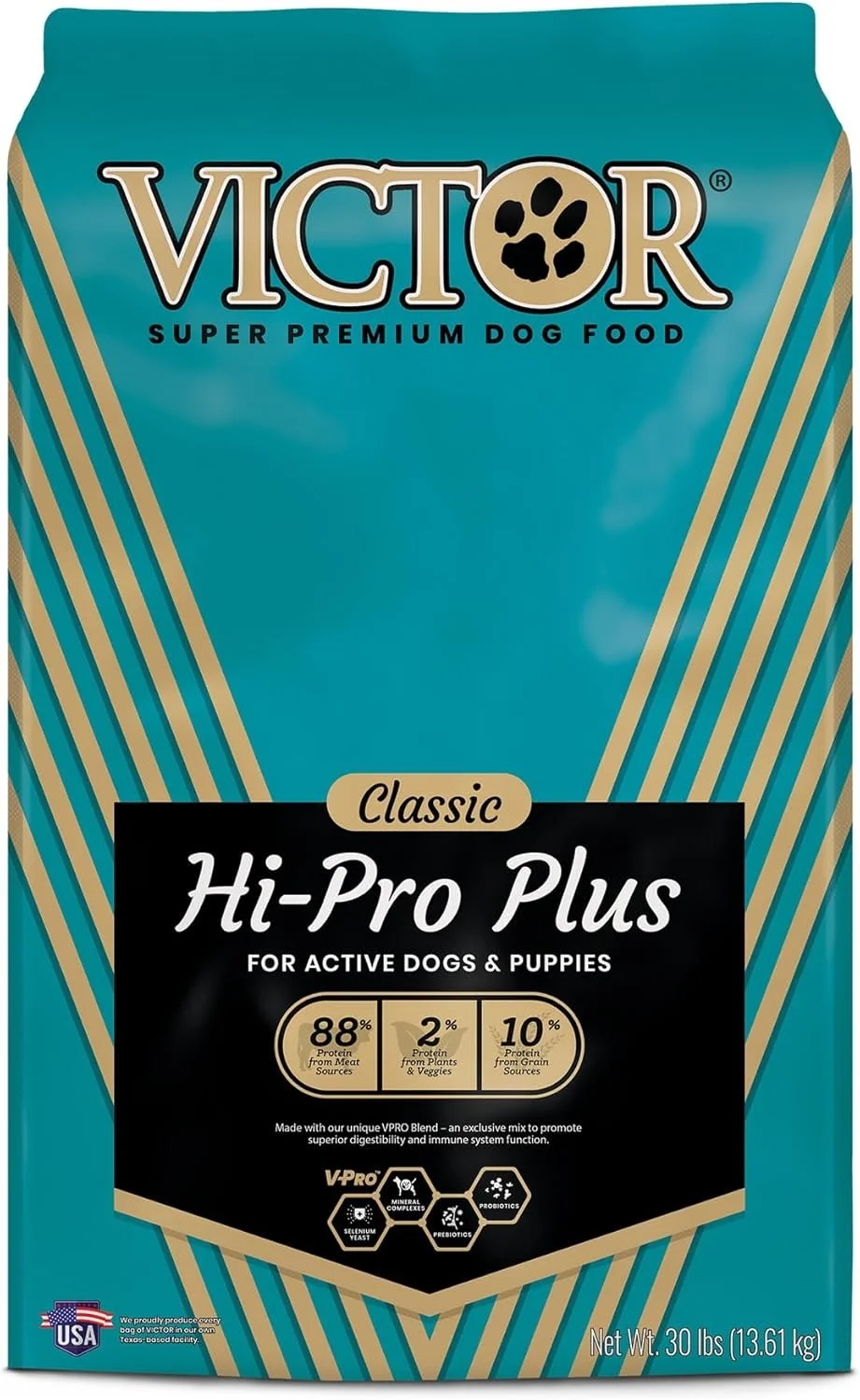
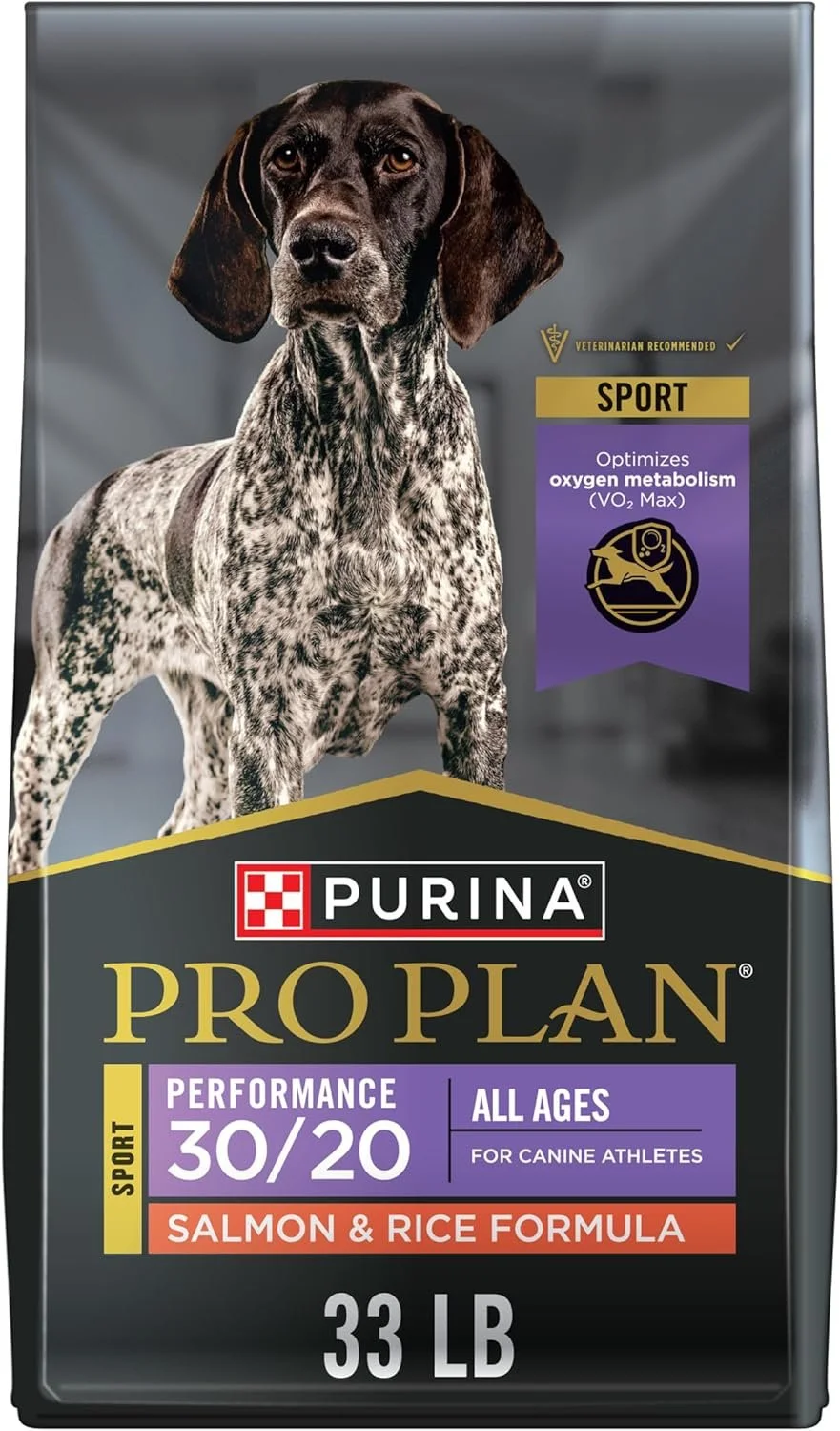
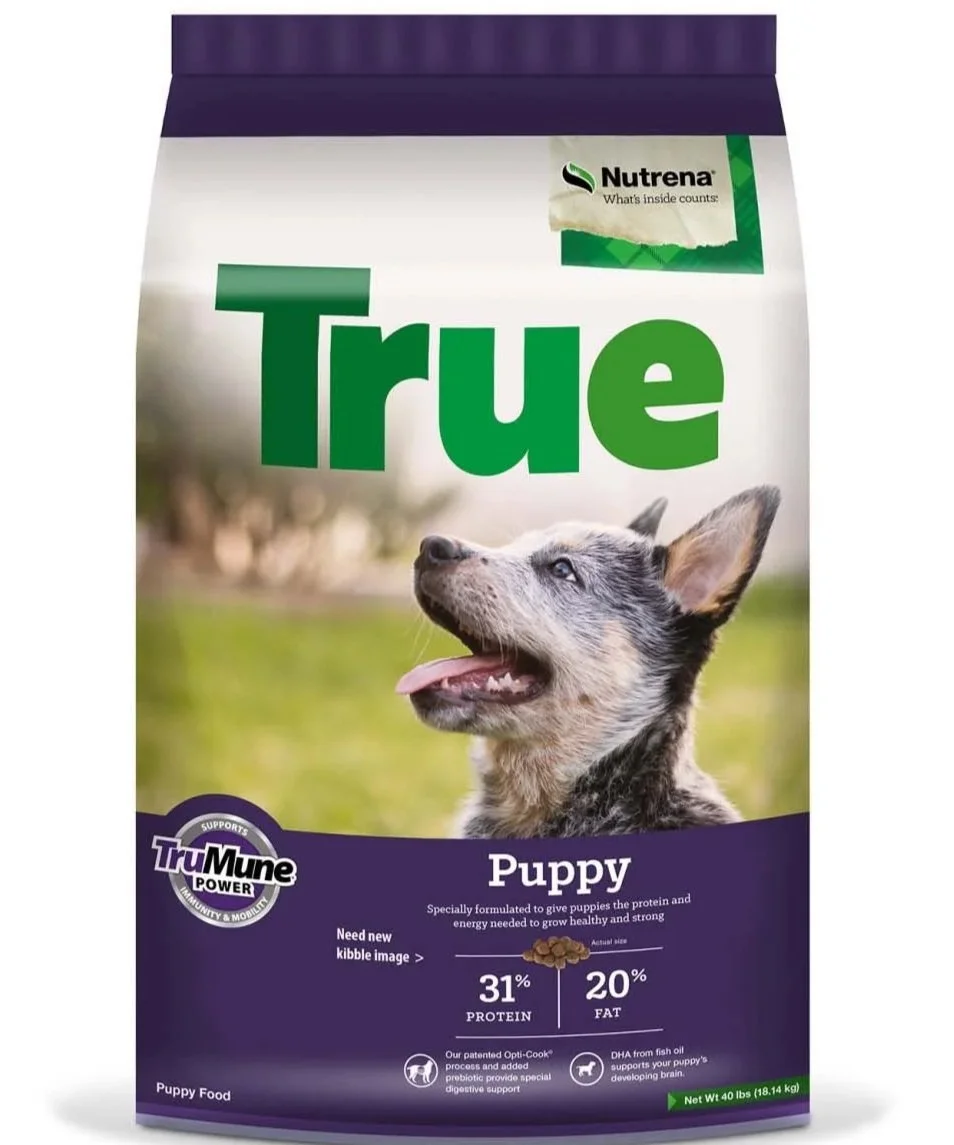
Nutrition is the foundation of your puppy’s health.
We recommend feeding from well-established, research-backed brands that employ board-certified veterinary nutritionists to ensure balanced, complete diets. We do not recommend boutique or grain-free diets, as these have been associated with serious heart concerns in dogs.
Puppy formula: ~30% protein, 20% fat
Transition to adult food around 8 months
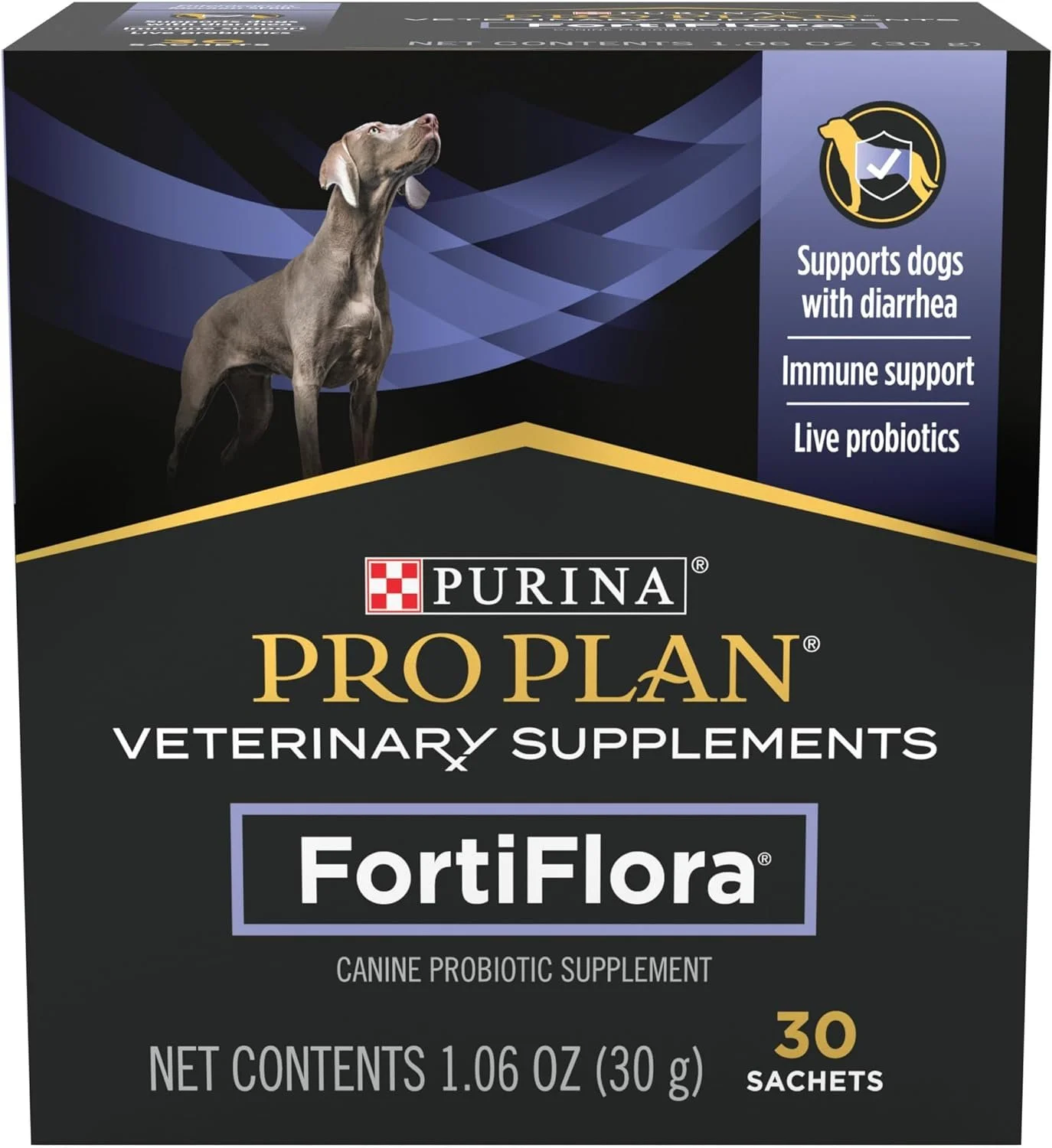
Additional support:
Skin & coat supplement (especially in dry climates)
Probiotics and canned pumpkin for digestive support
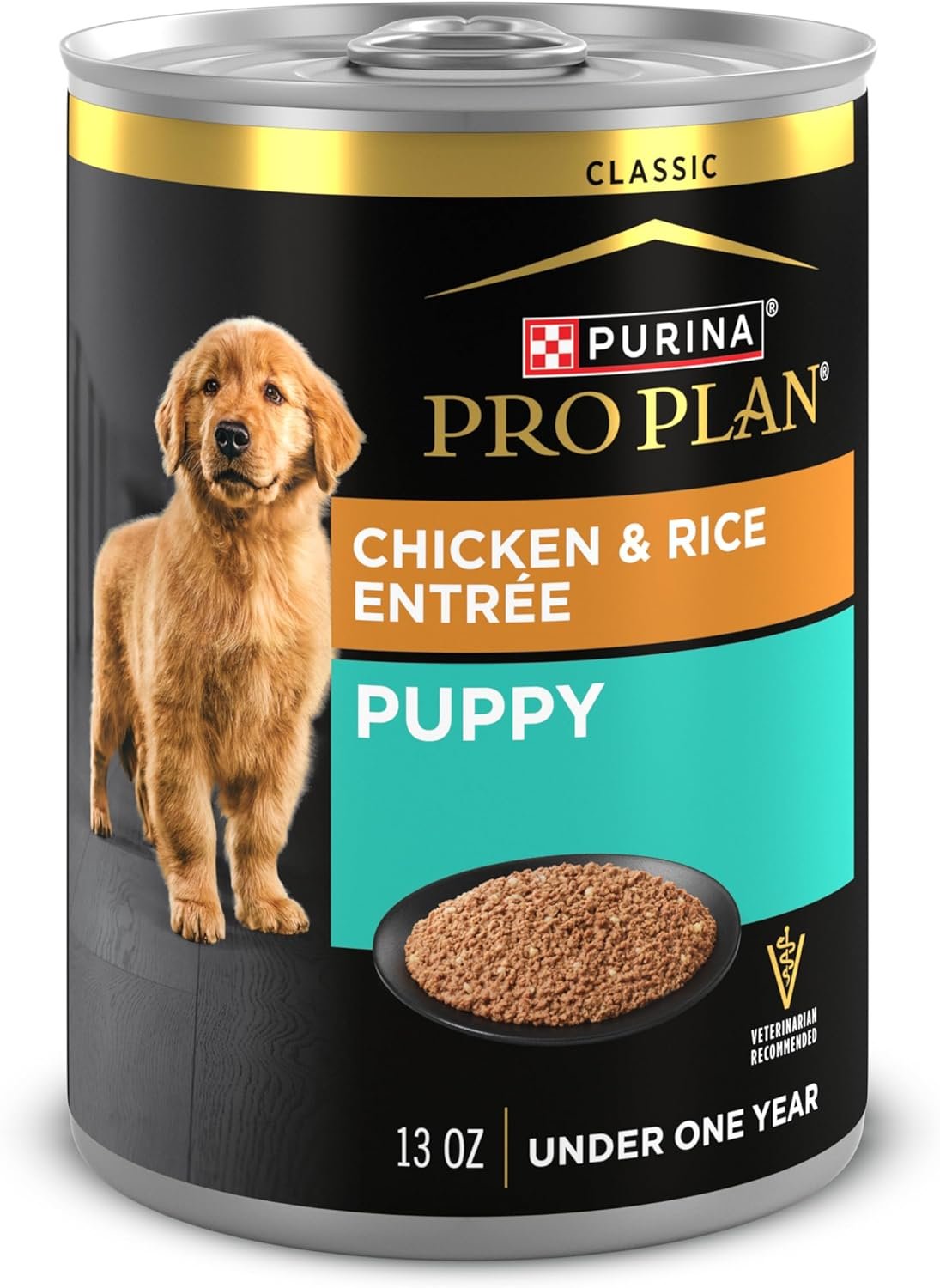
Canned food can be useful for training, but should not be mixed into daily meals, as it can encourage overeating.


Home Essentials
Creating the right environment early sets your puppy up for success.
Feeding & Equipment
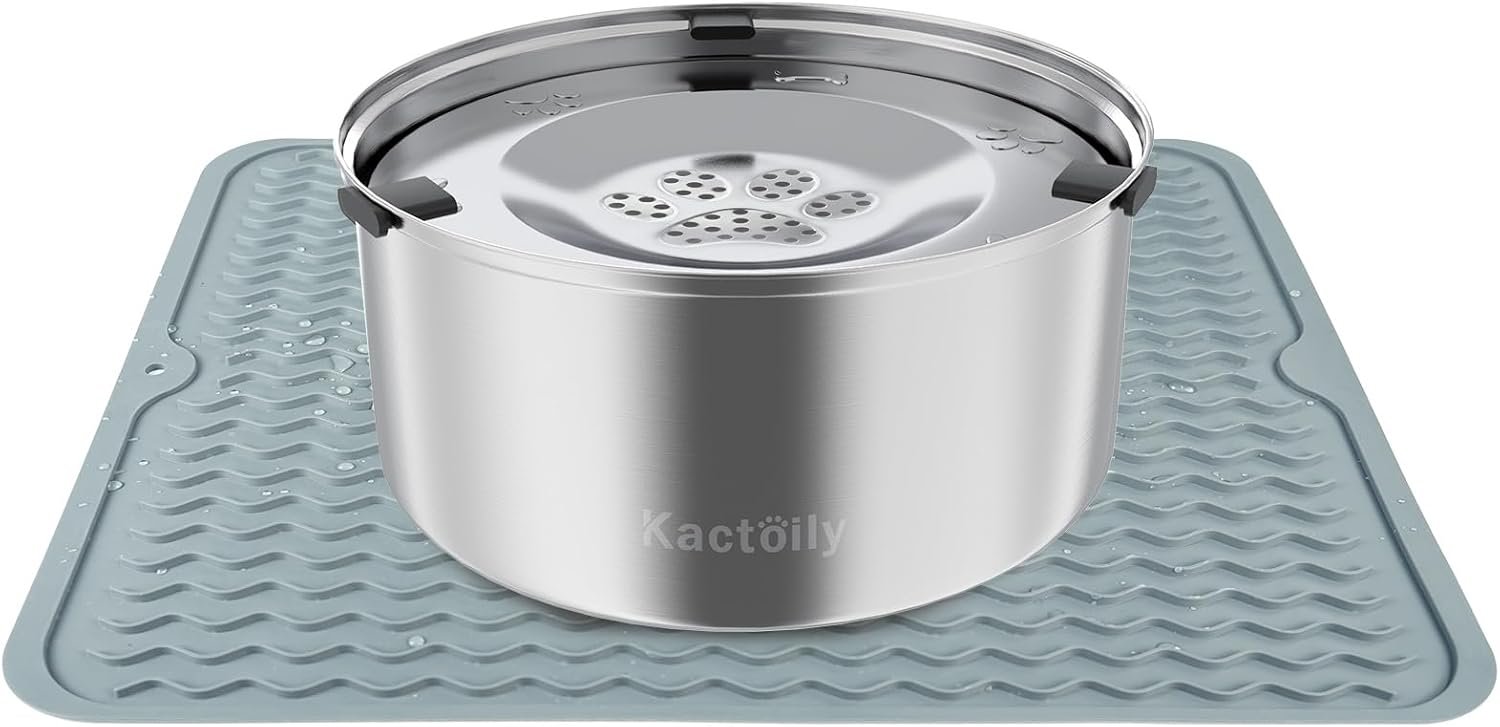
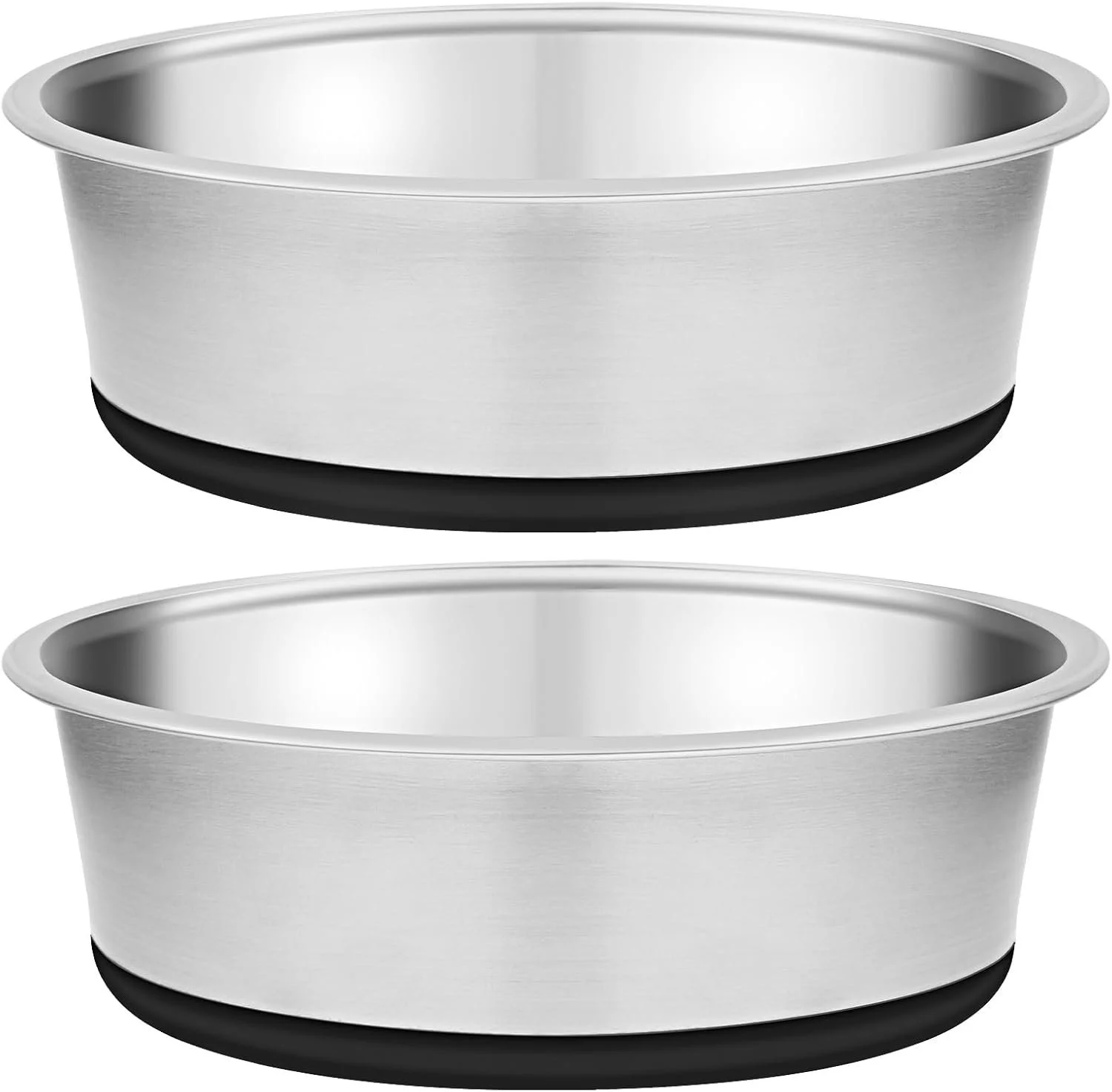
Standard (non-elevated) food and water bowls
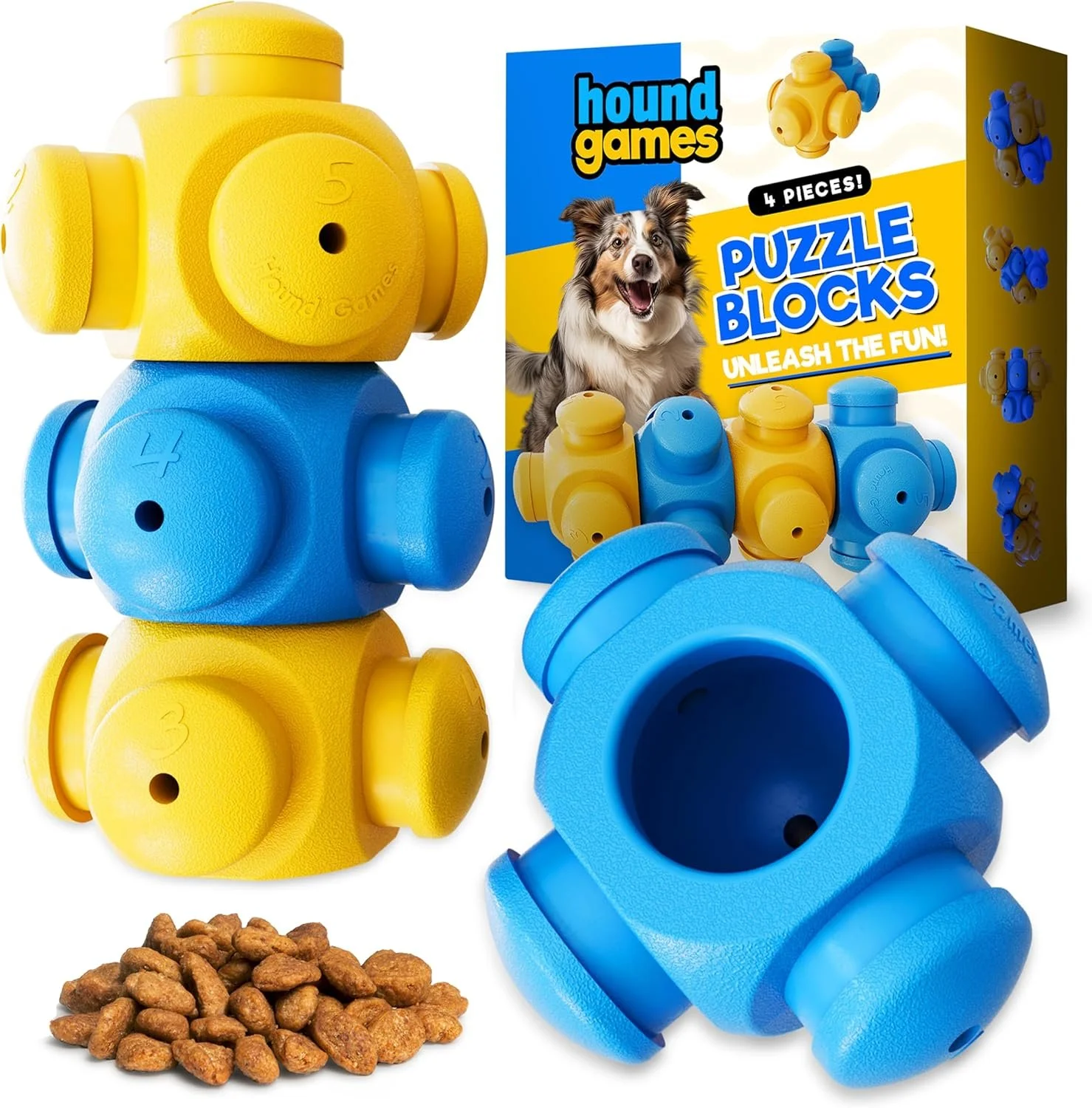
Puzzle bowls for occasional mental stimulation
Wash all bowls daily
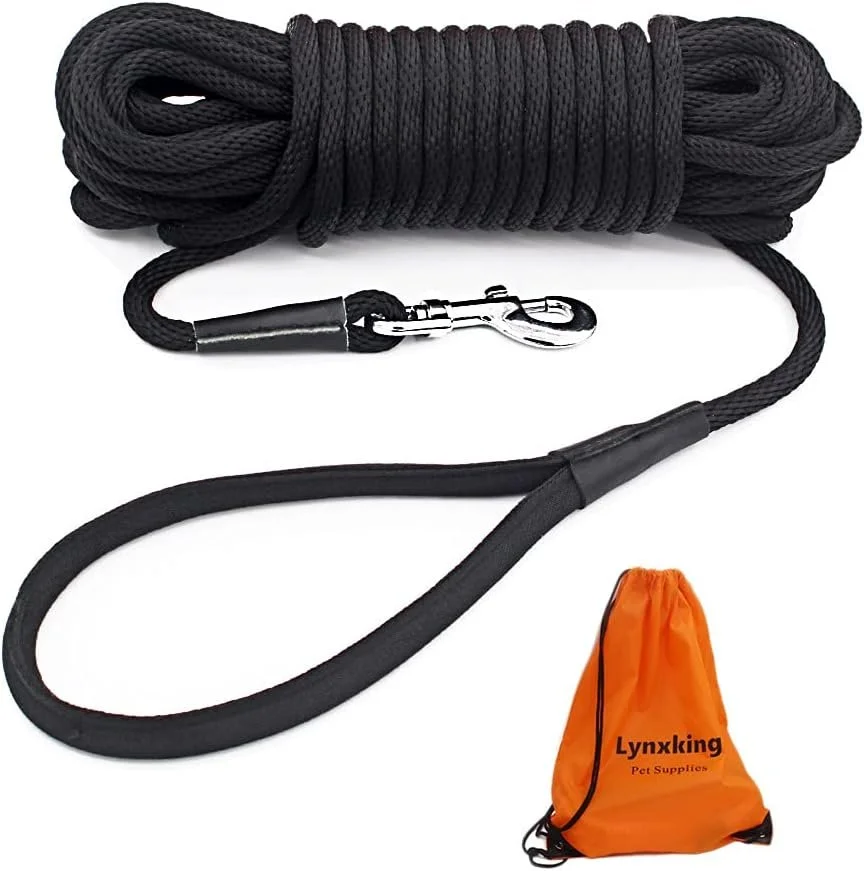
Leash & Training Tools
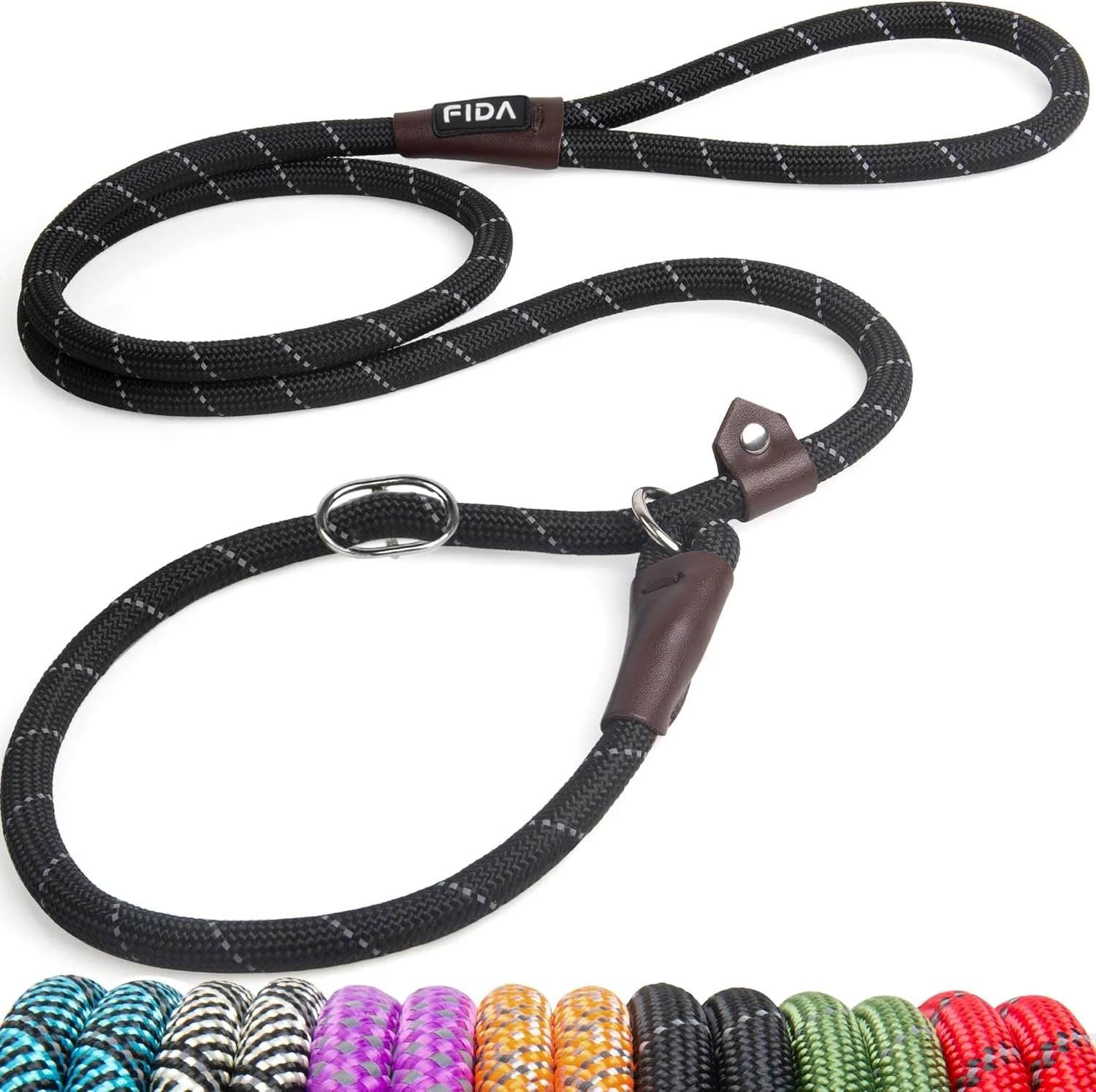
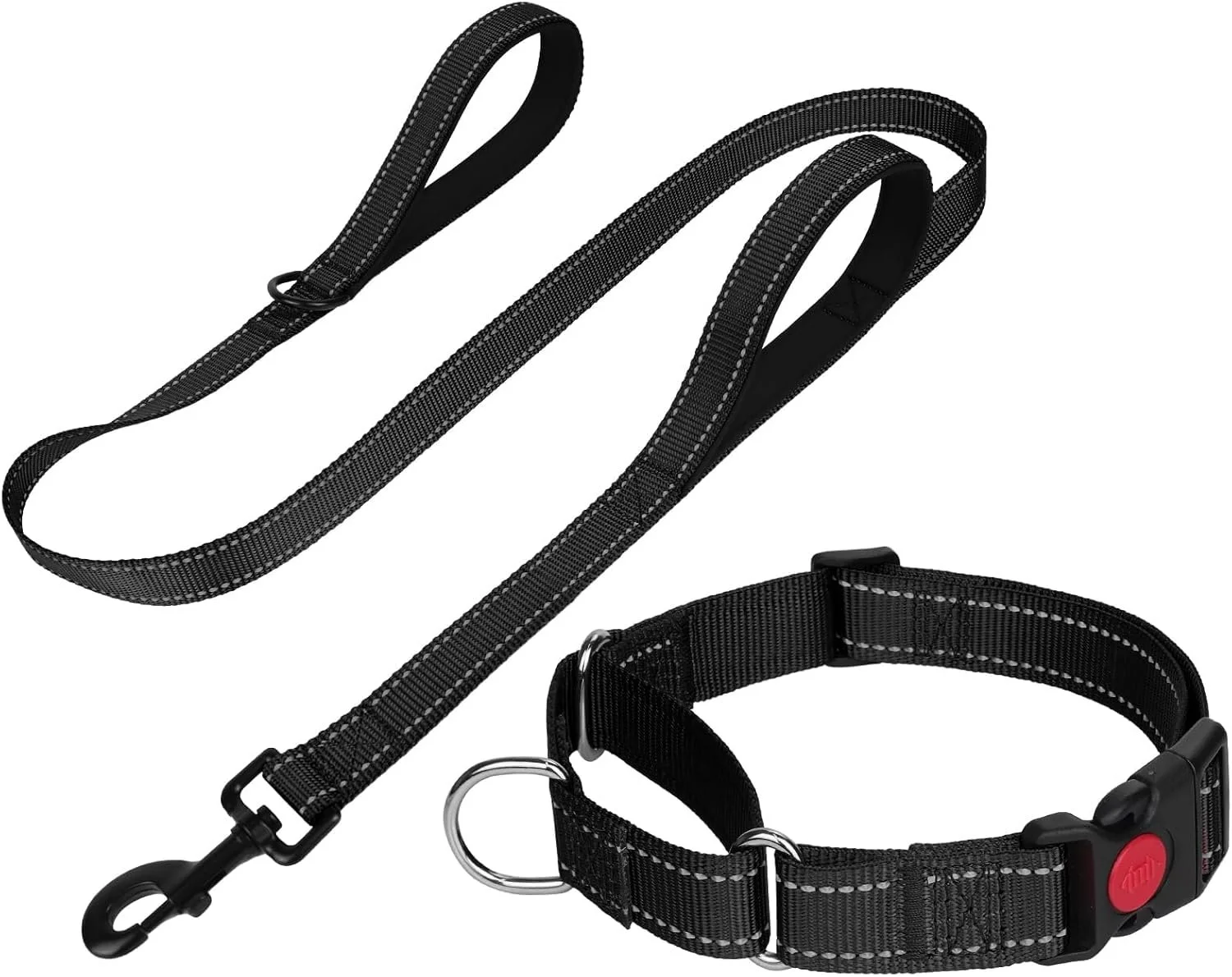
Flat collar or slip lead (preferred for training)
Avoid harnesses until leash skills are established
No retractable leashes
Crate & Containment
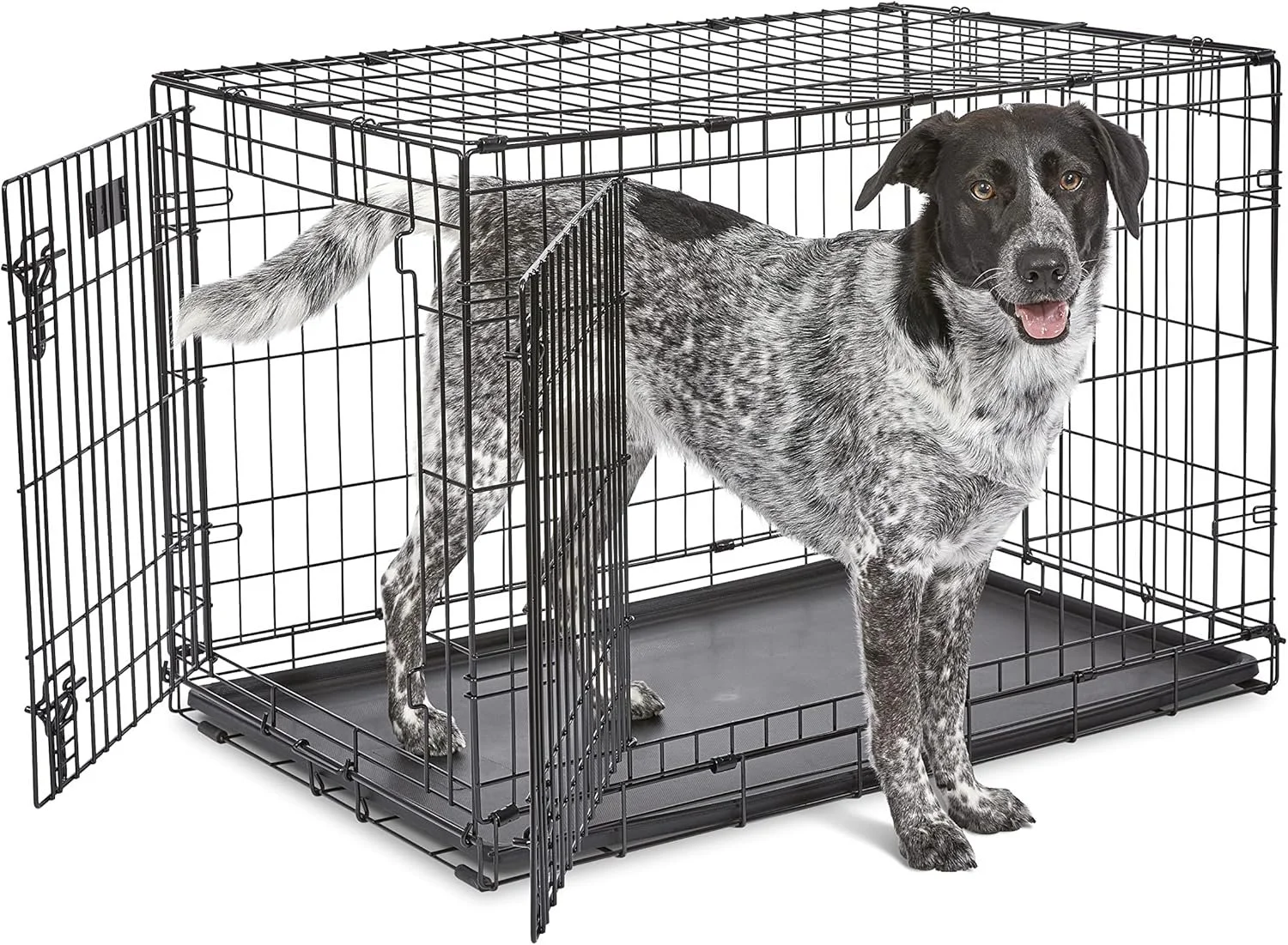
Crate sized for comfort, but not large enough for a potty area
Divider recommended for growing puppies
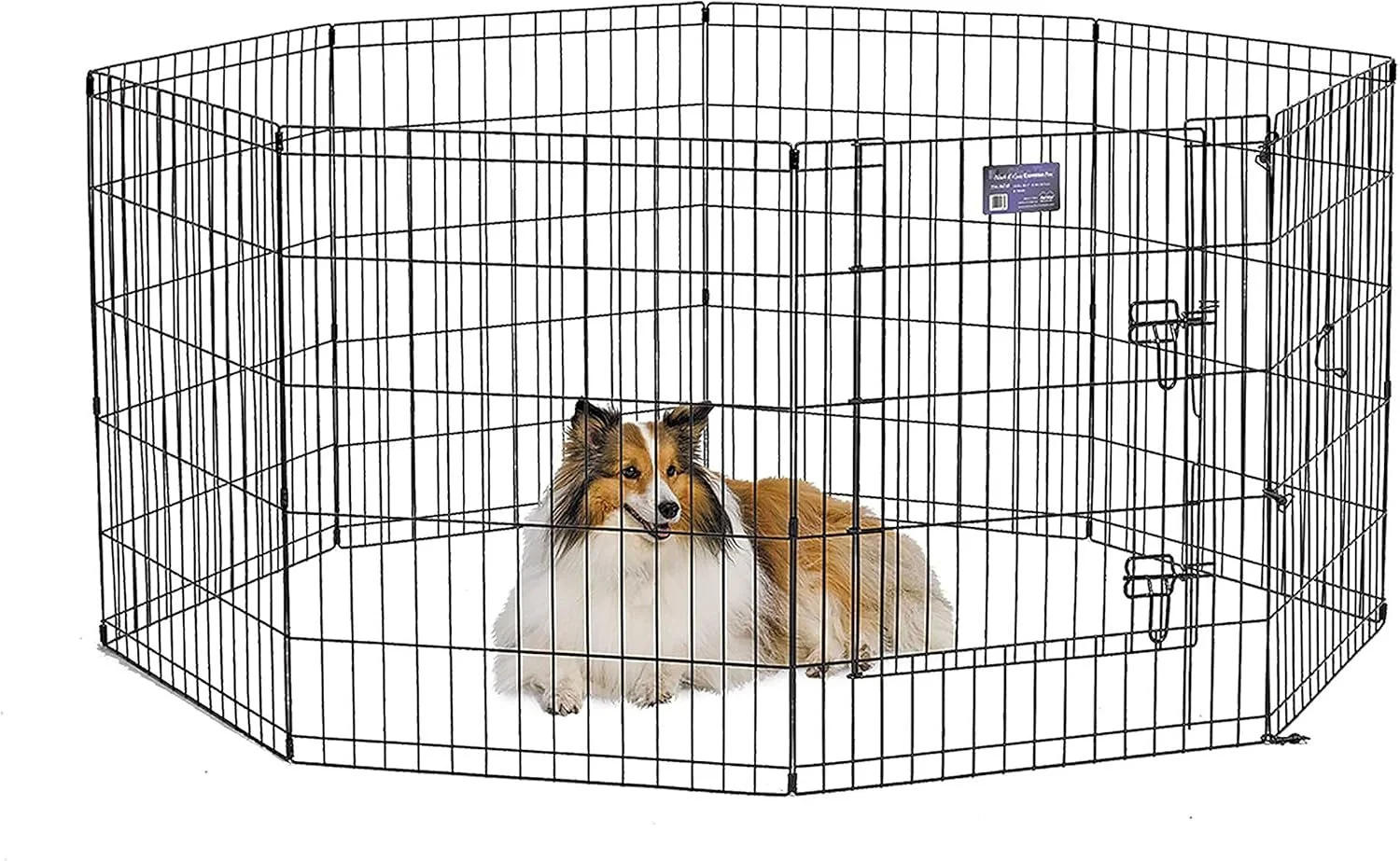
Most adults: 36” crate (some may need 42”) Until crate trained use an exercise pen for safe confinement
If home alone for extended periods early on:
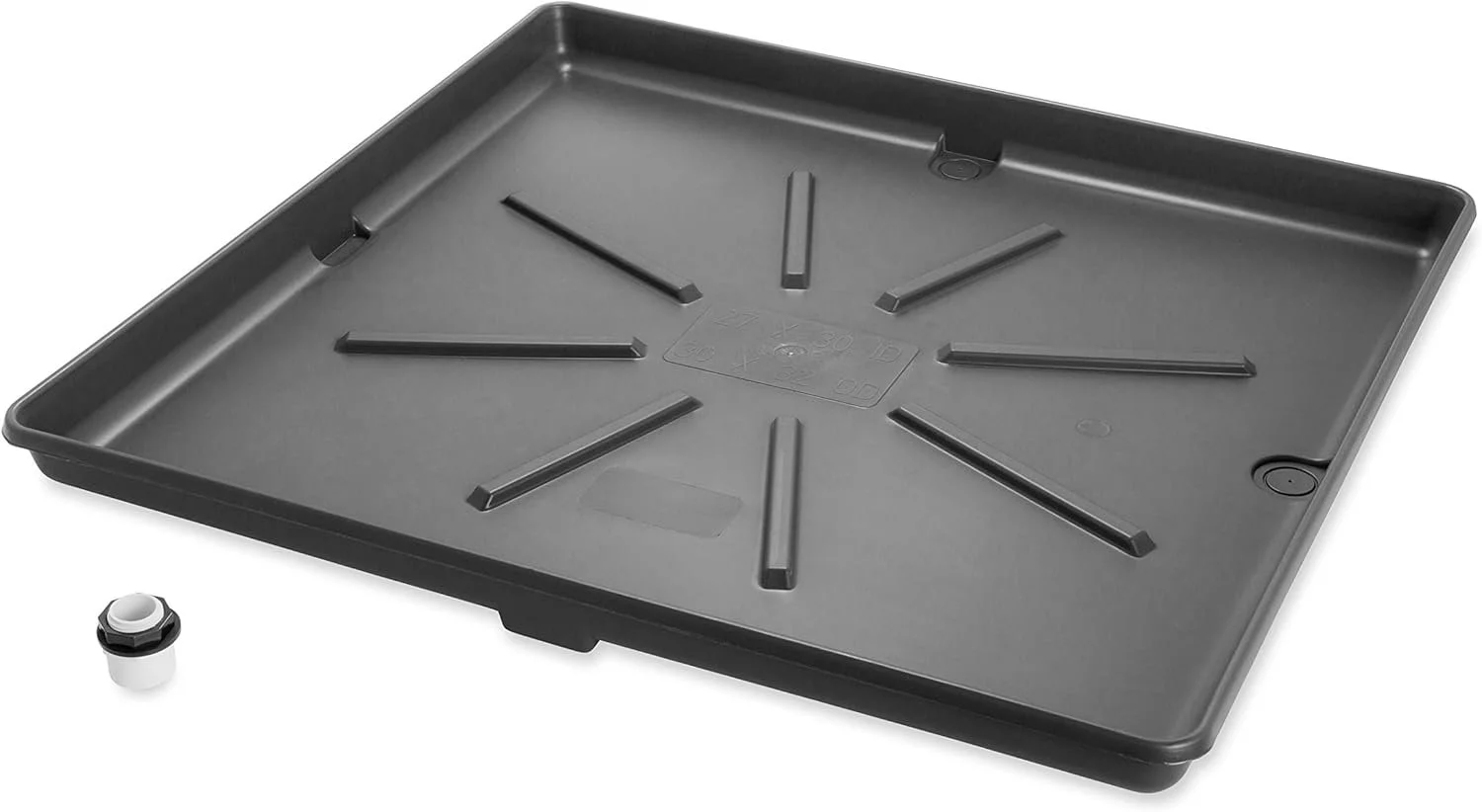
Litter pan (washing machine tray) with alfalfa pellets can support potty training
Comfort
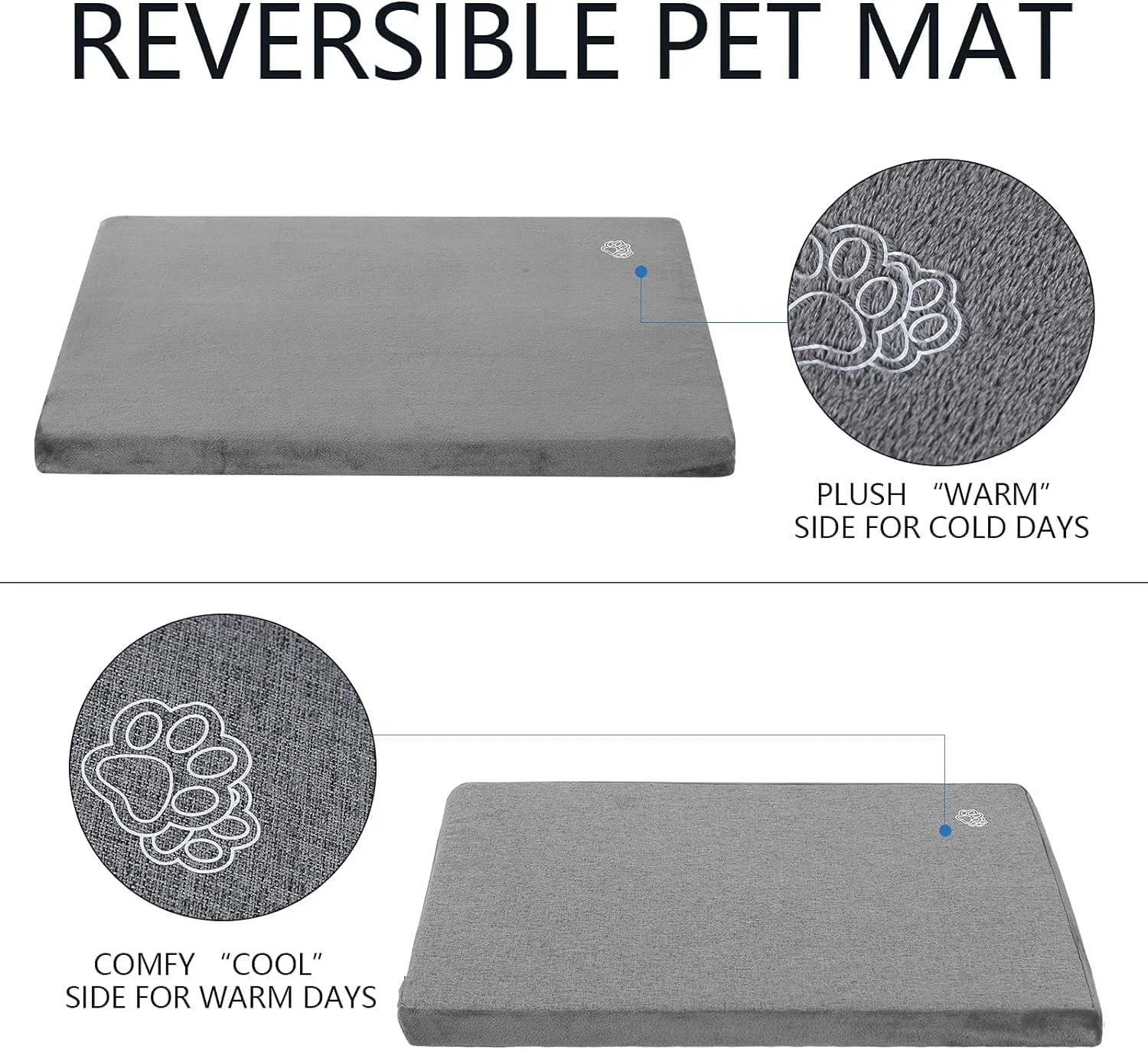
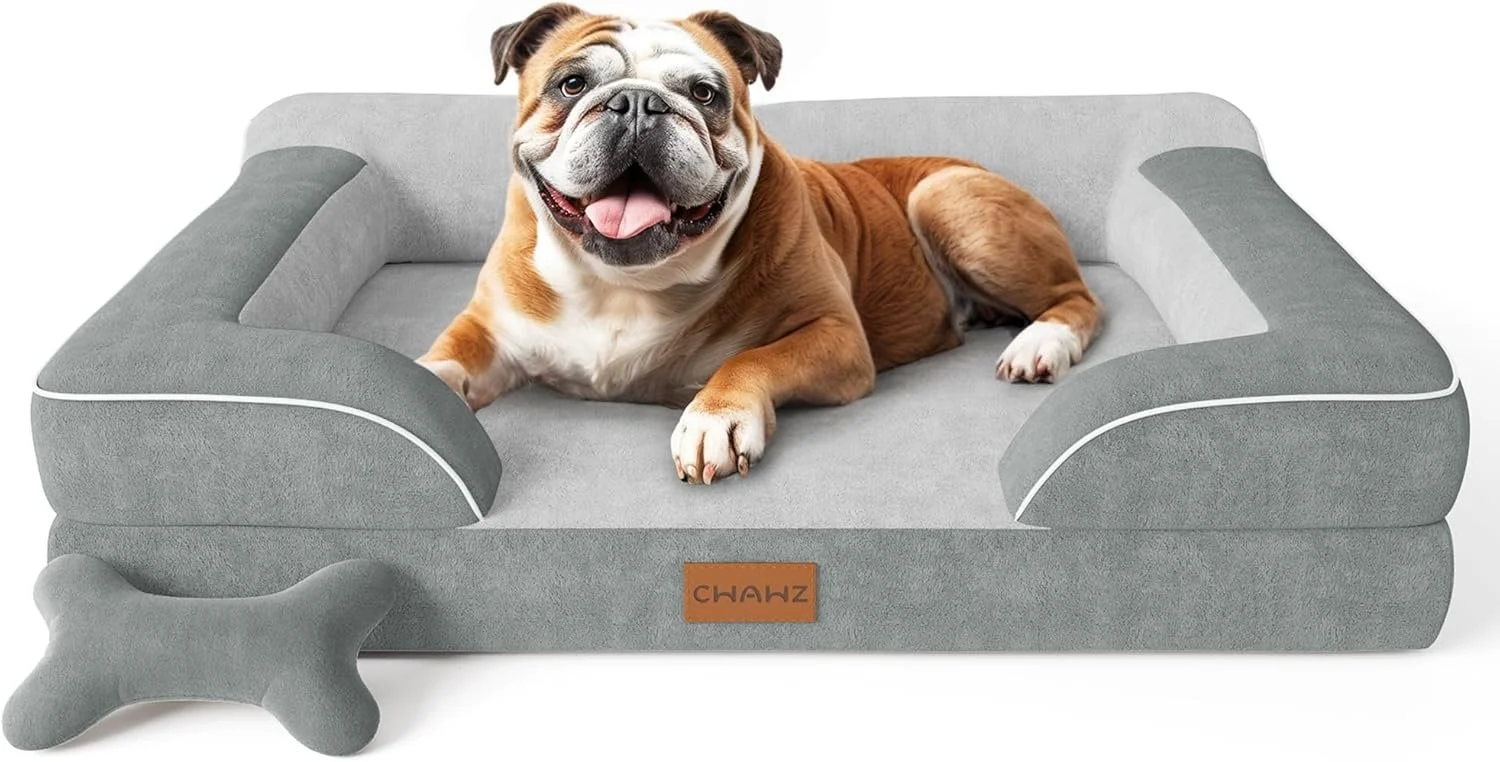
Cooling mat (preferred over thick bedding)
Light crate cover for a den-like feel
Enrichment
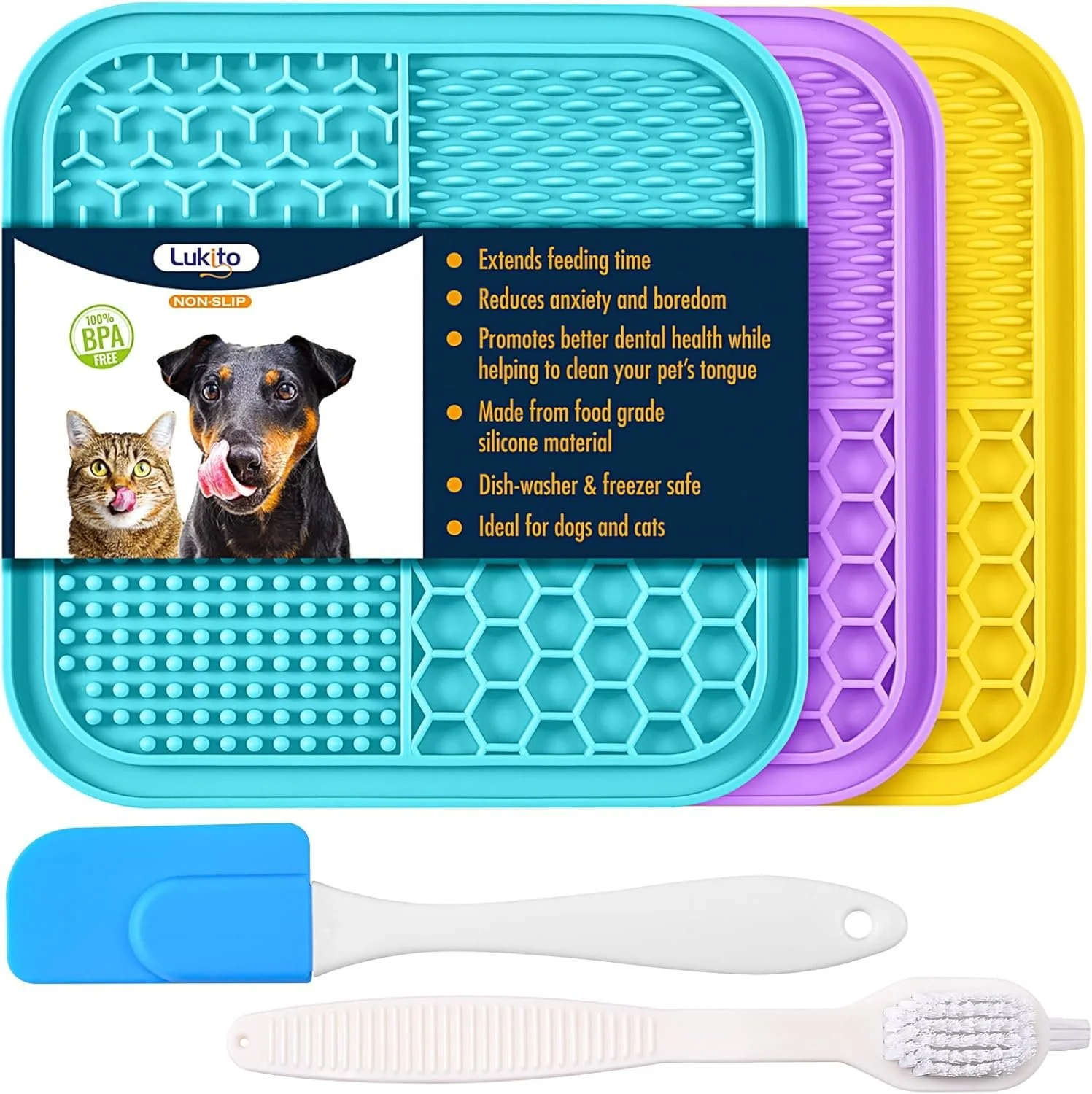
Licking mat (great for calming + training moments)

Grooming
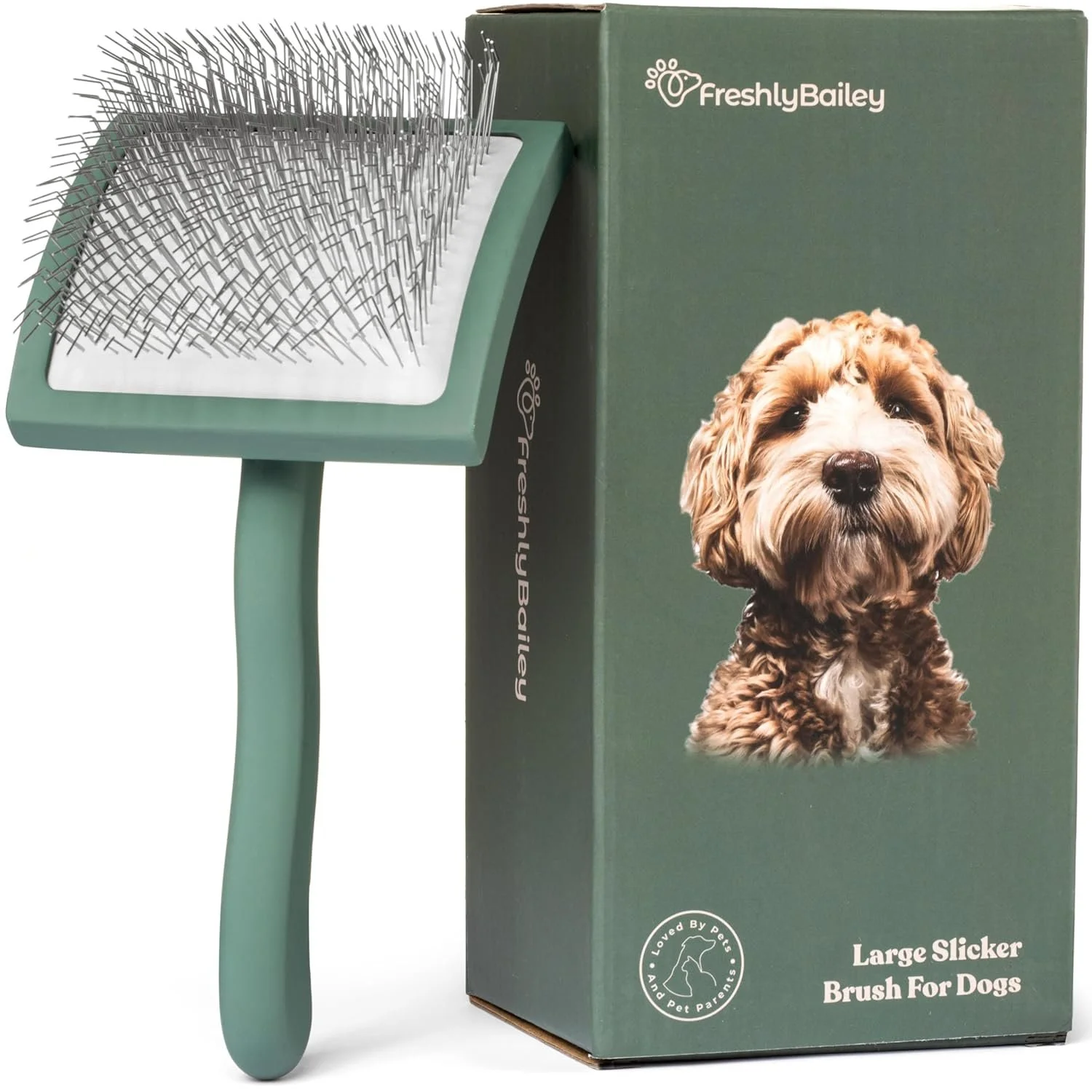
Grooming is not optional for doodles—it is essential.
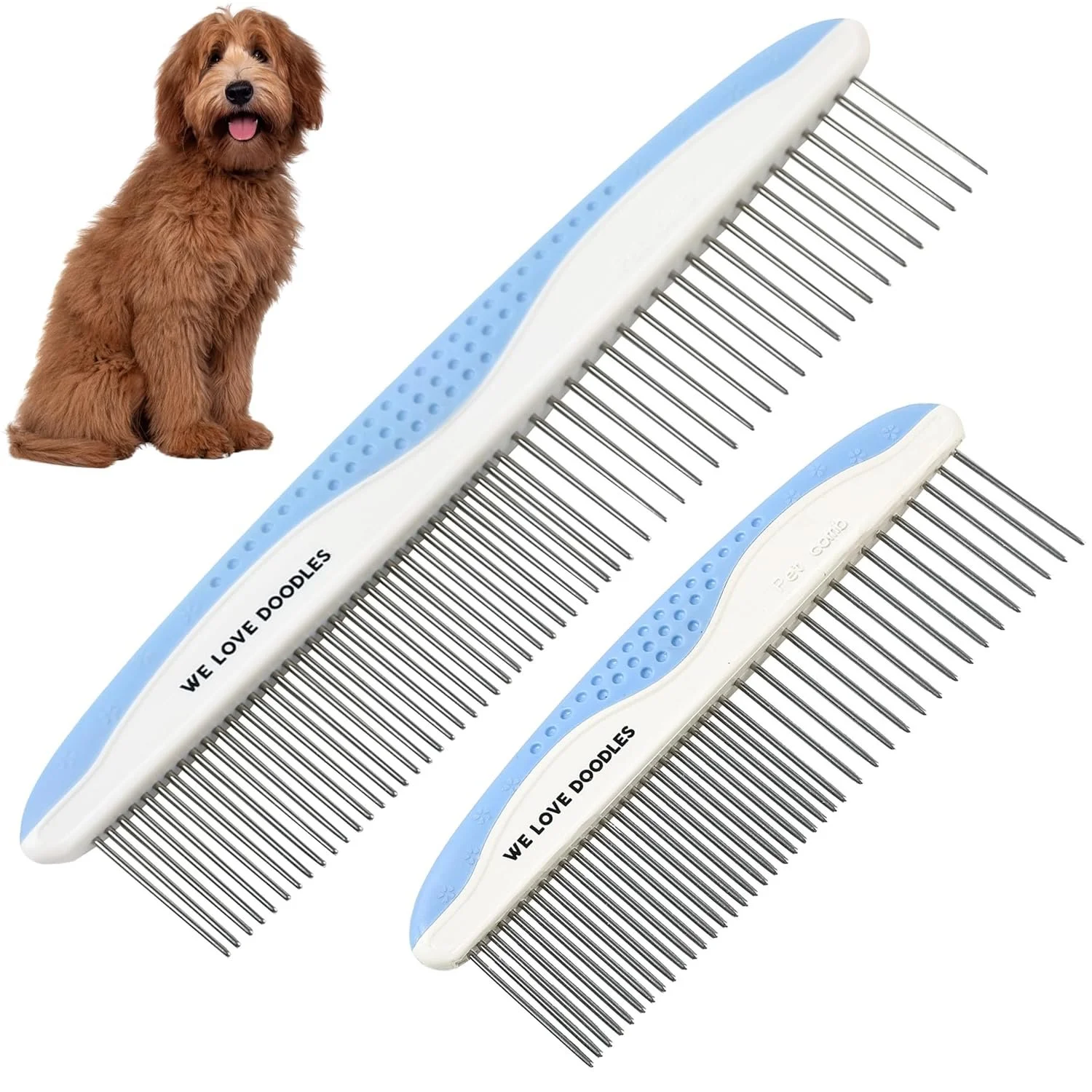
Their coats are prone to matting, and consistent care is necessary to maintain both coat health and overall comfort.
Regular grooming allows you to:
Prevent mats and tangles
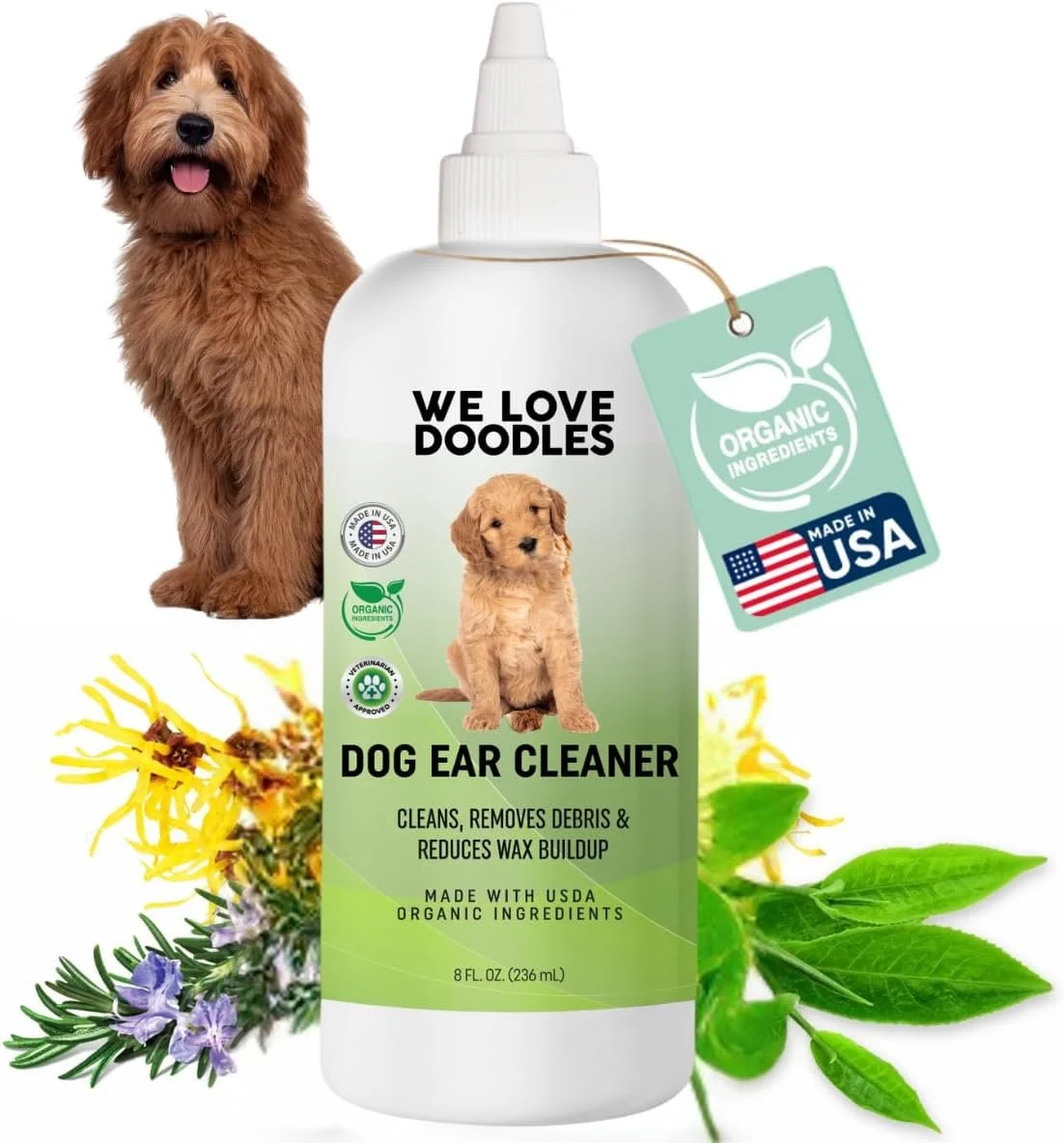
Monitor skin health
Check for irritation, infection, or parasites
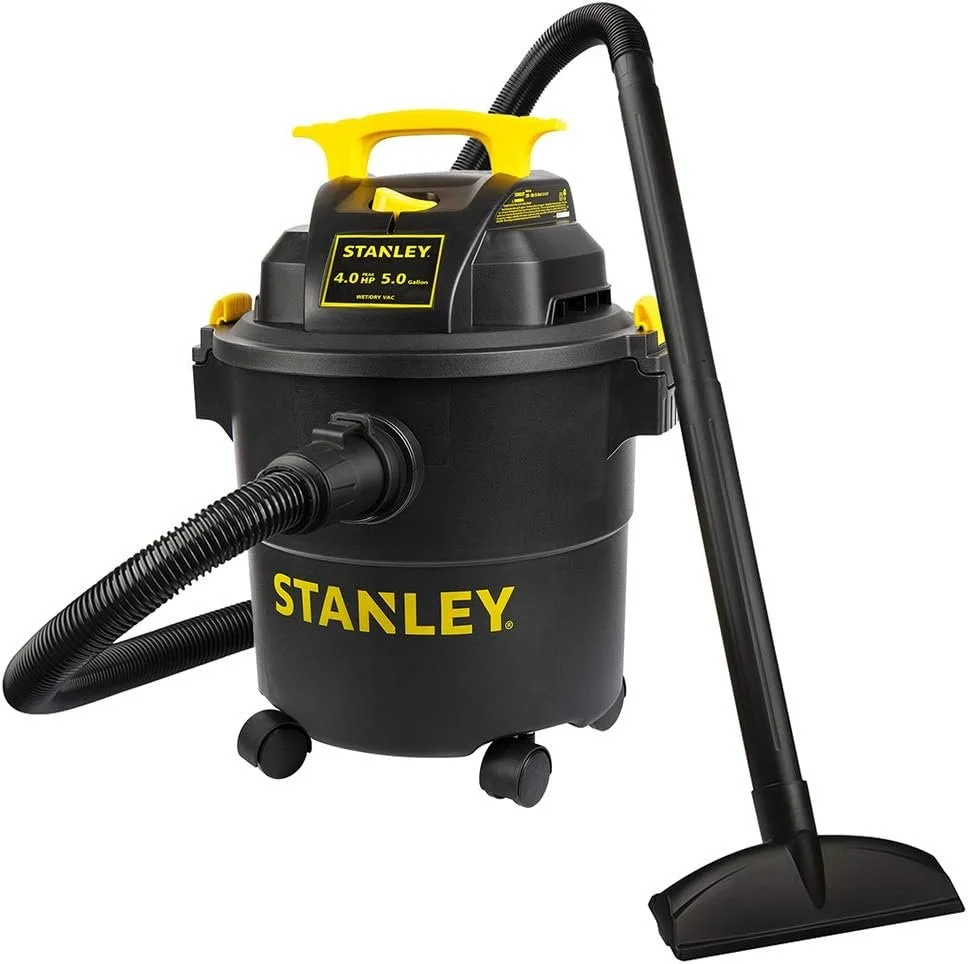
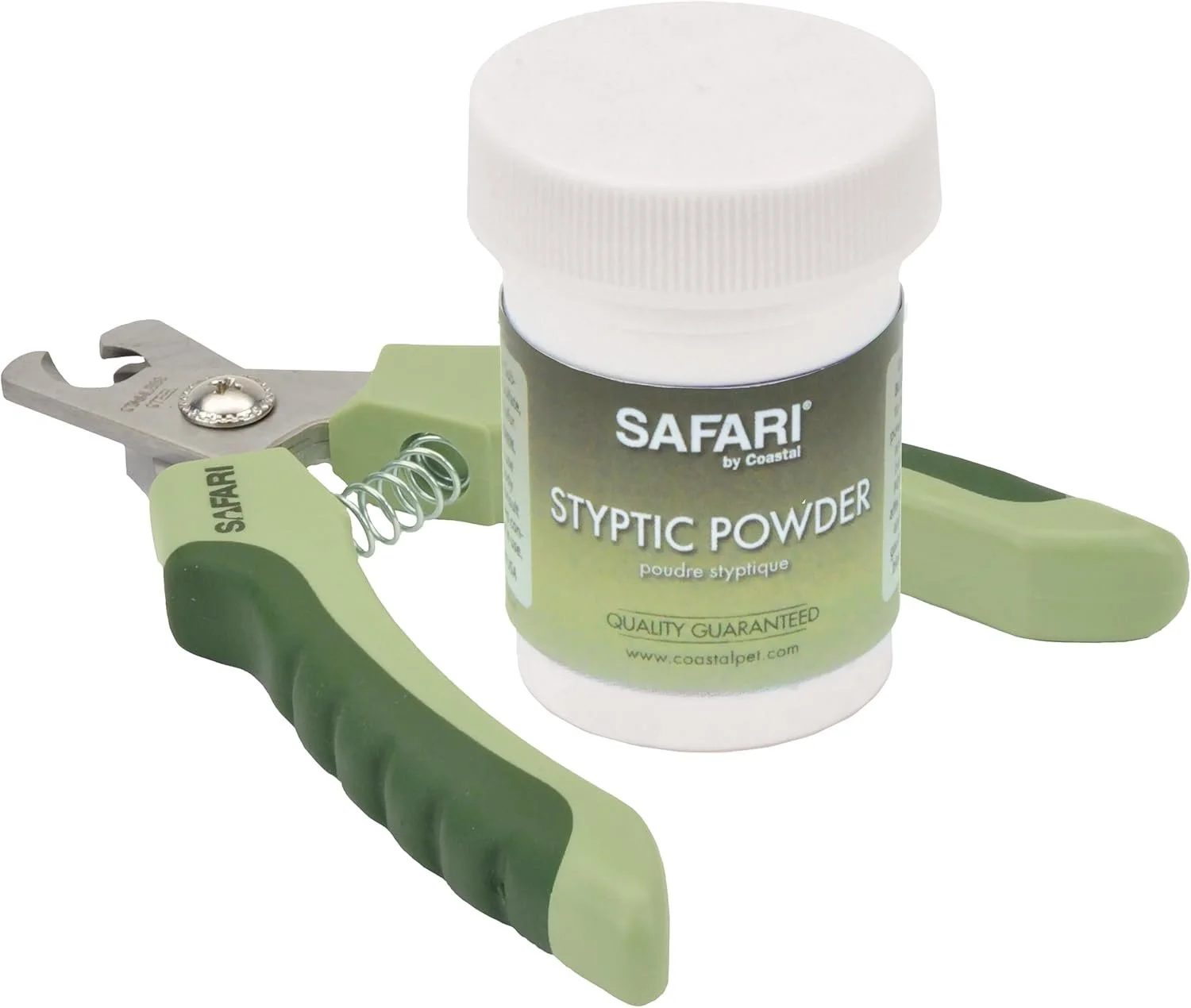
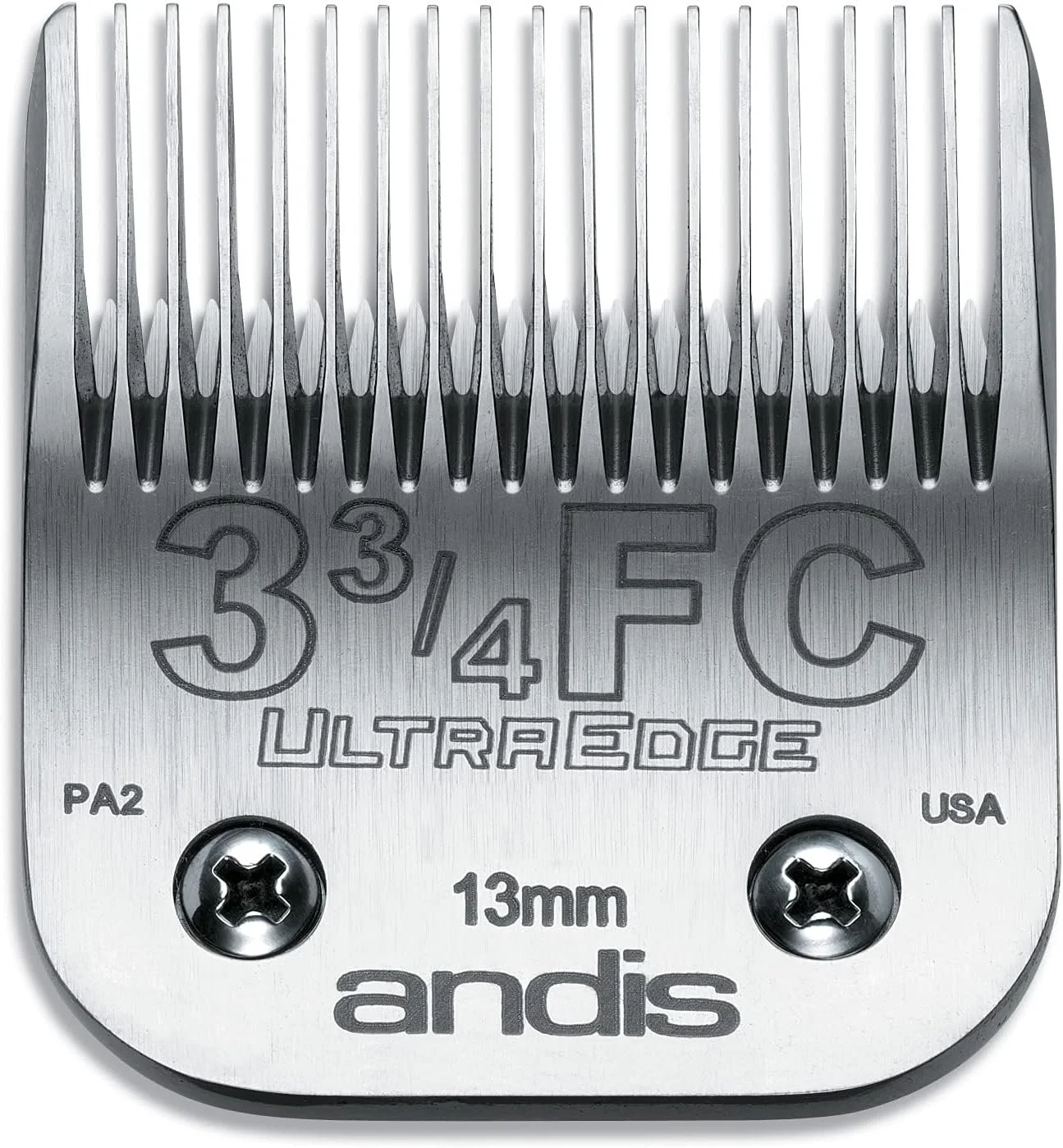
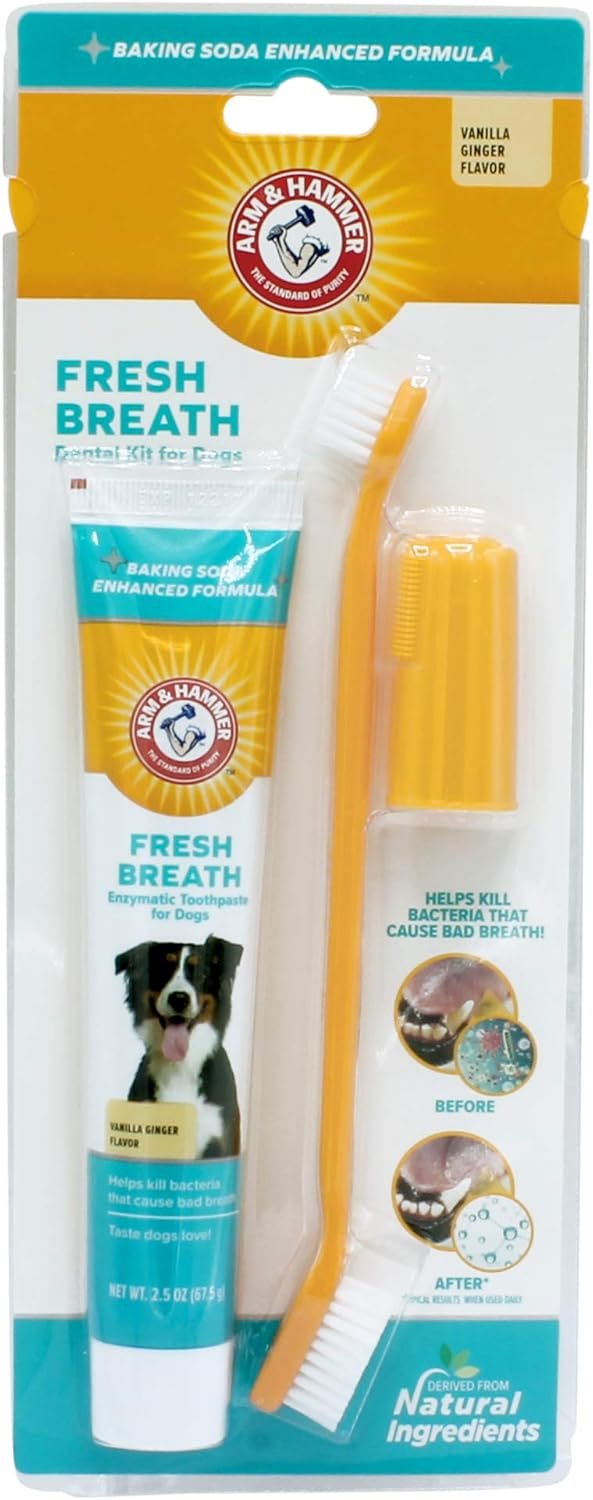
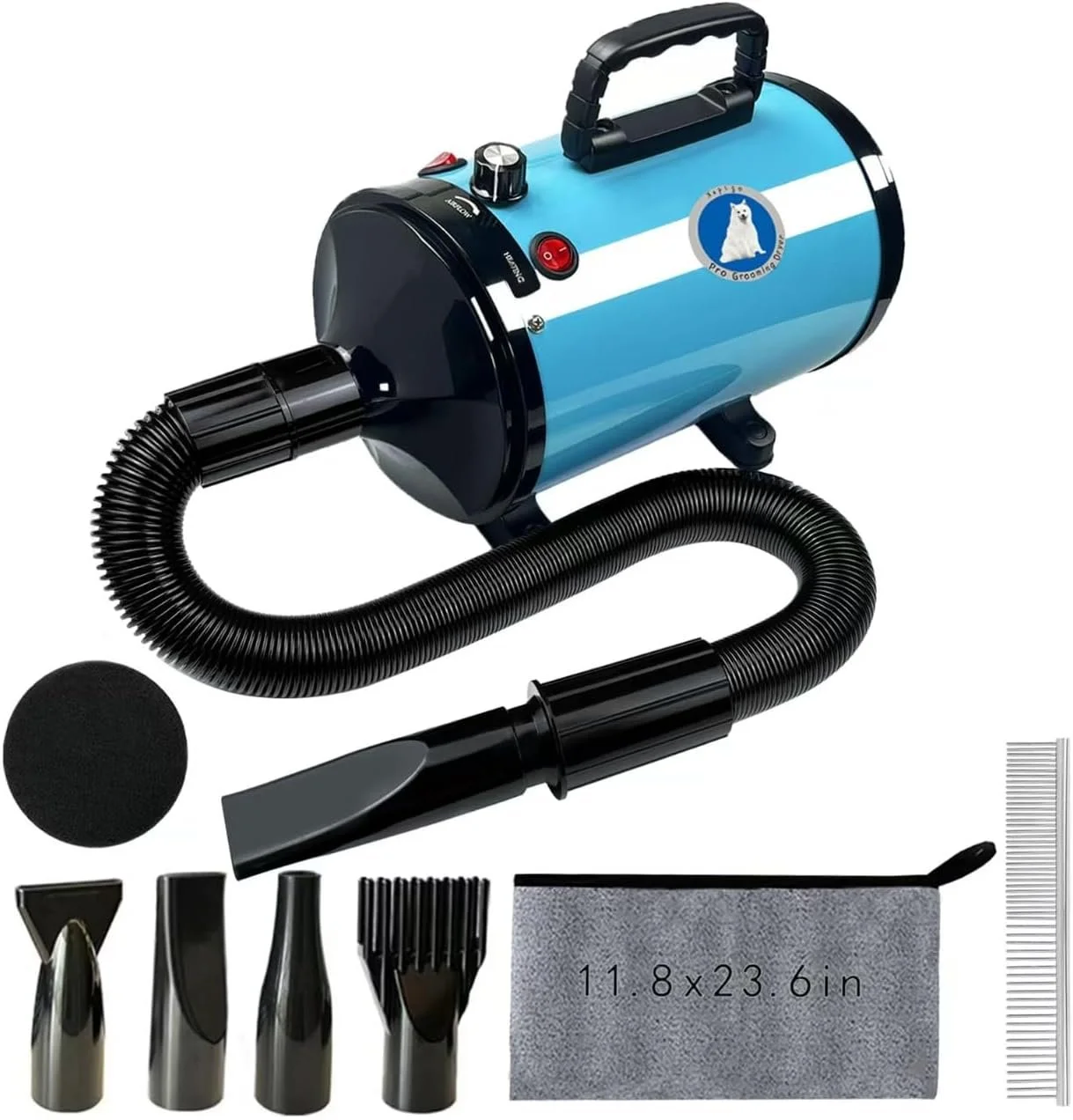
We recommend maintaining a consistent routine and using high-quality tools for brushing, combing, and general care. For families choosing to groom at home, proper tools and technique are especially important.




Treats & Chews
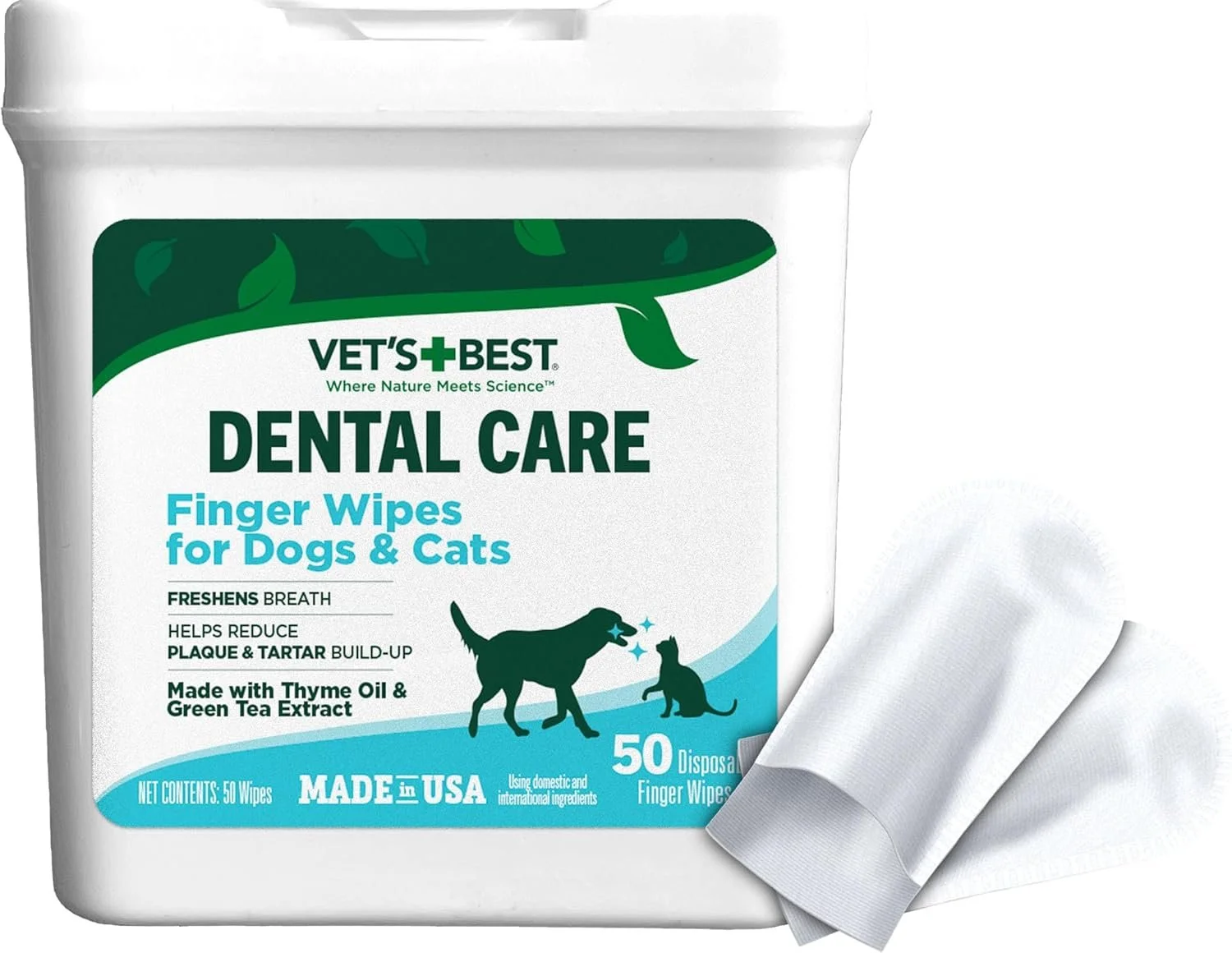
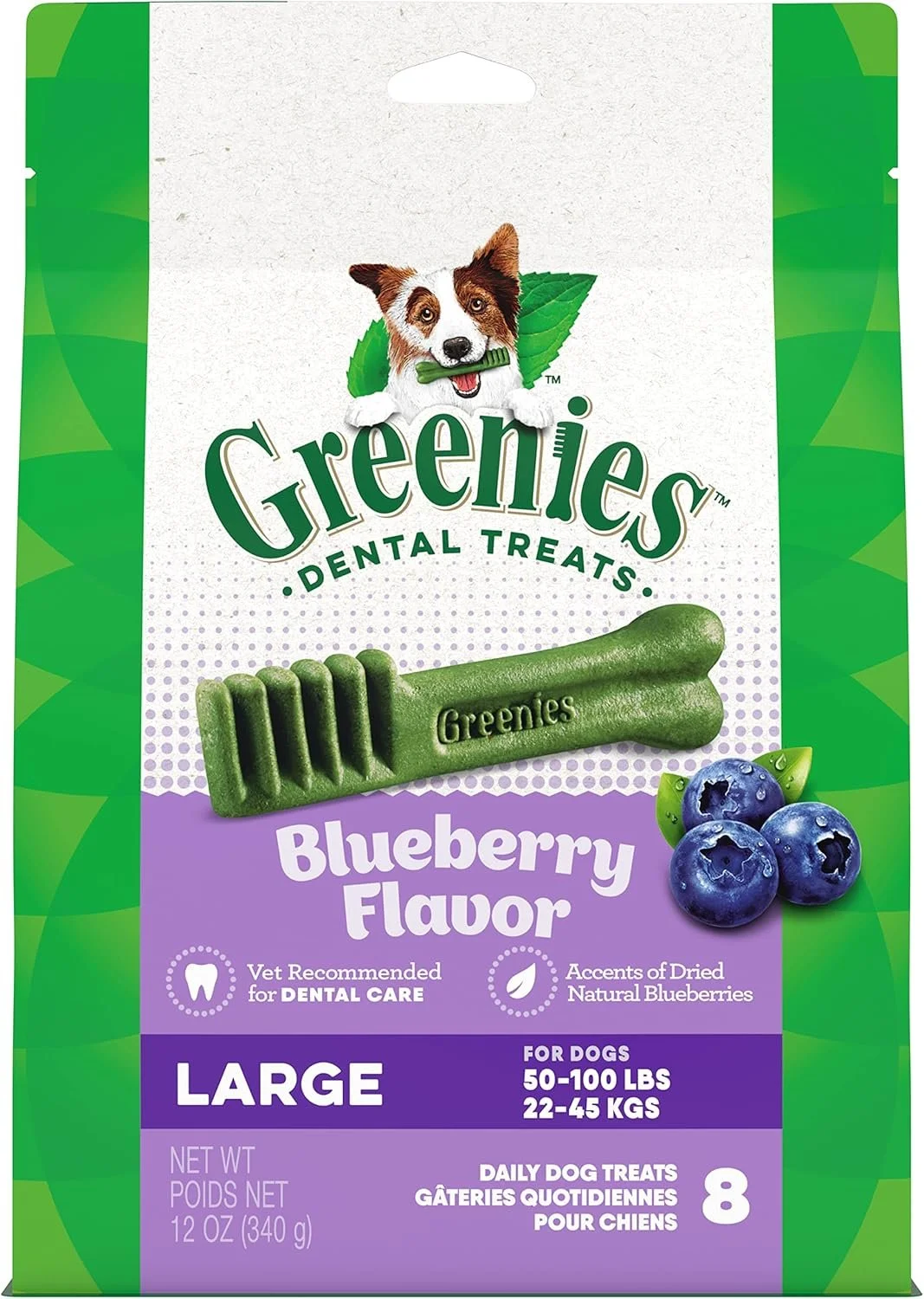
Treats should support your puppy’s health—not work against it.
Best options:
Fresh fruits and vegetables
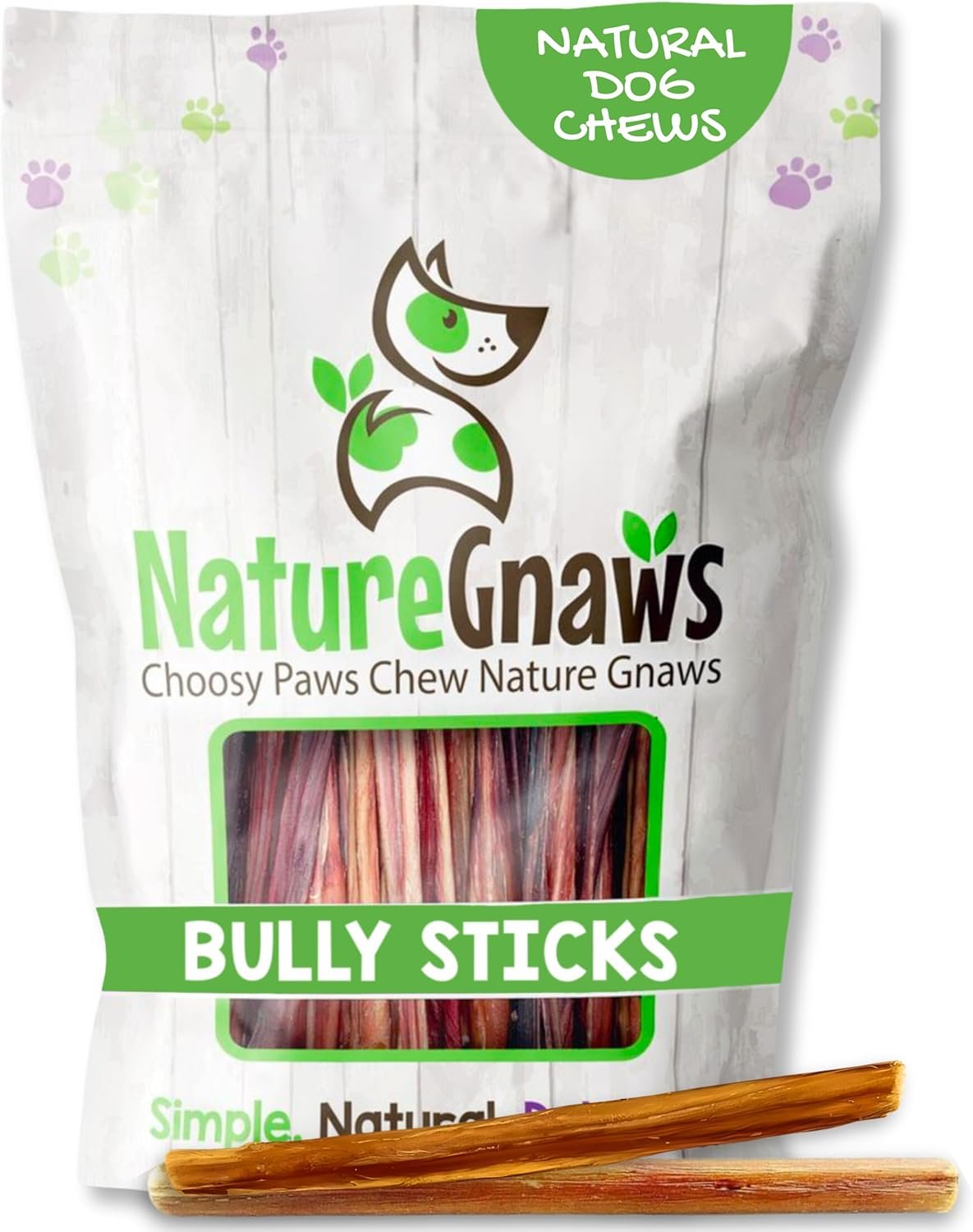
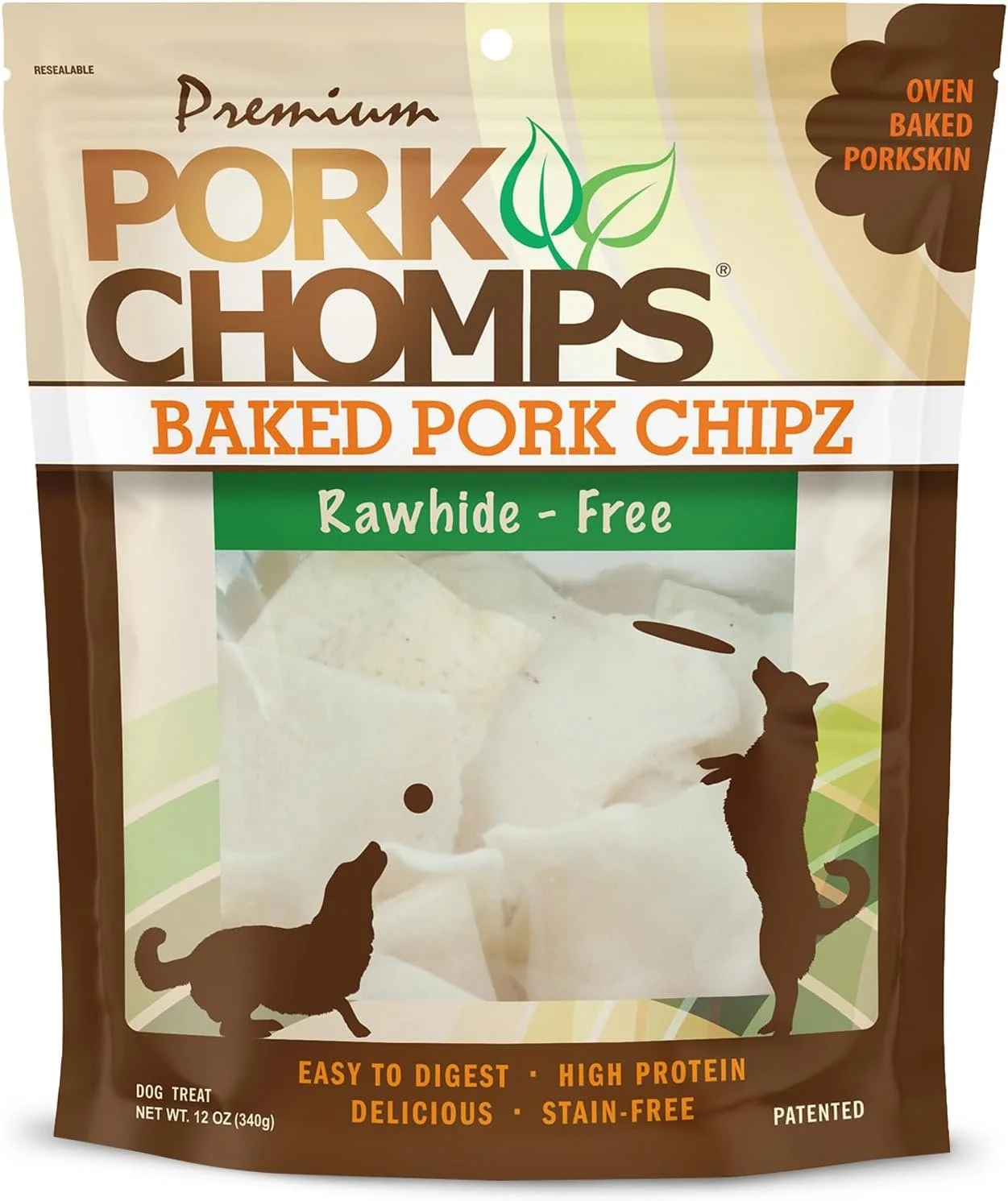
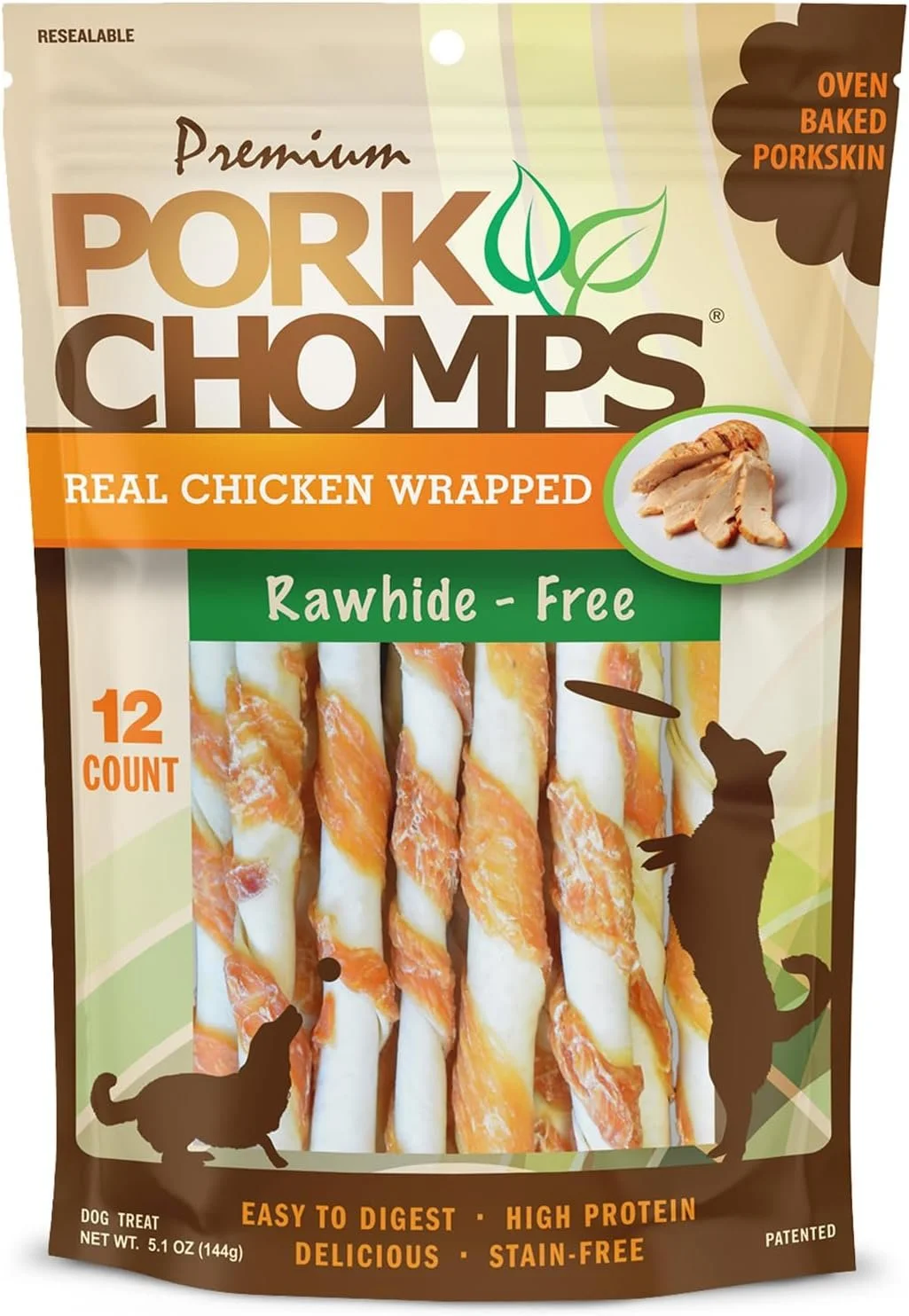
Natural, minimally processed treats
Important guidelines:
Treats should only make up a small portion of daily calories
Always size appropriately for your dog
Chews & bones:
Raw bones can be beneficial when fresh and supervised
Discard immediately if they begin to dry
Never feed cooked bones
Avoid:
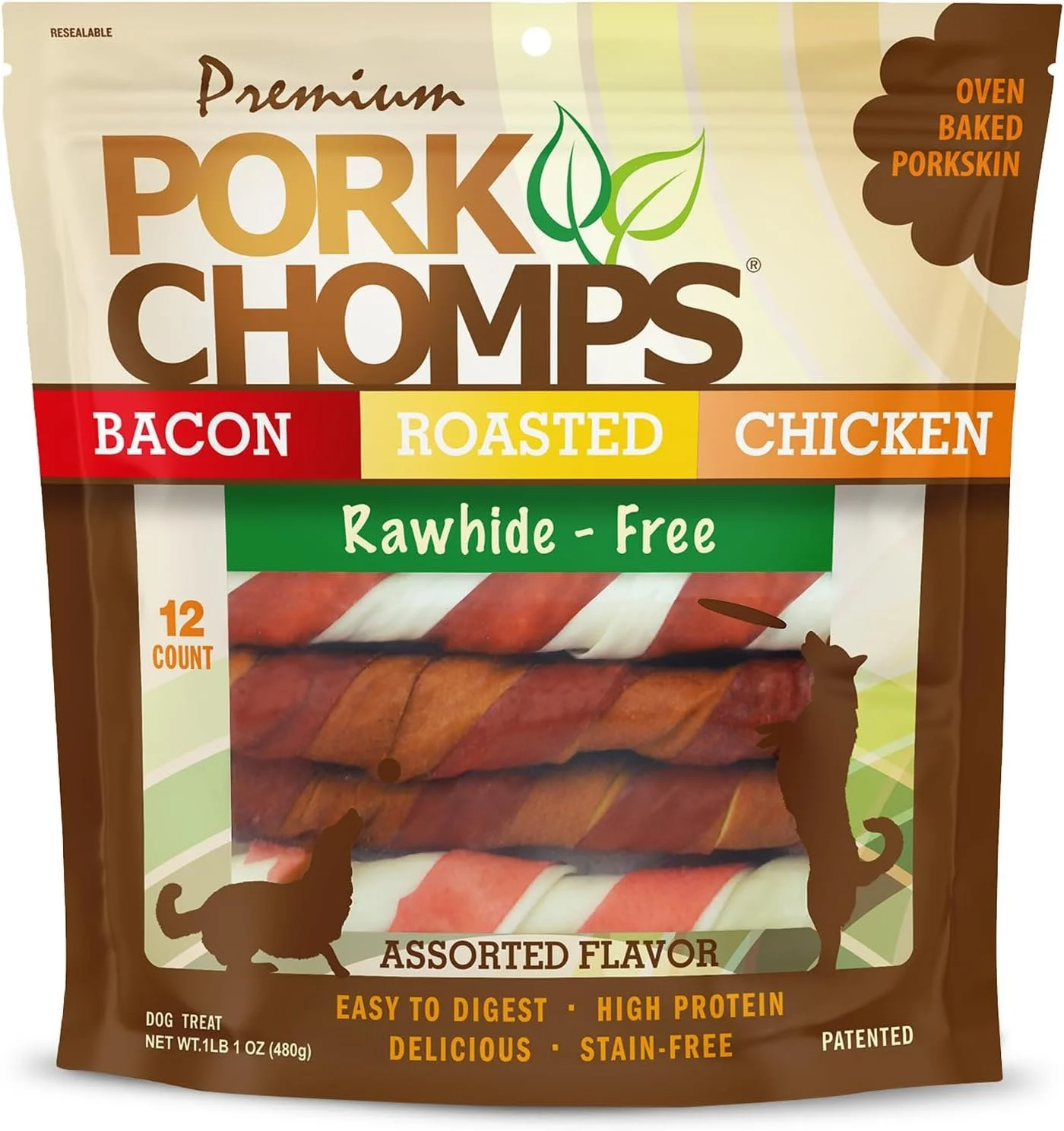
Rawhide (choking and digestion risks)
For training:
We highly recommend using a soft, squeeze-style treat (such as a cat treat tube). These are safe for puppies, extremely high value, and allow for precise, consistent delivery without fumbling for treats in your hand or reaching into a pouch. This makes training smoother, more engaging, and more effective.



Toys & Enrichment
Mental stimulation is just as important as physical exercise.
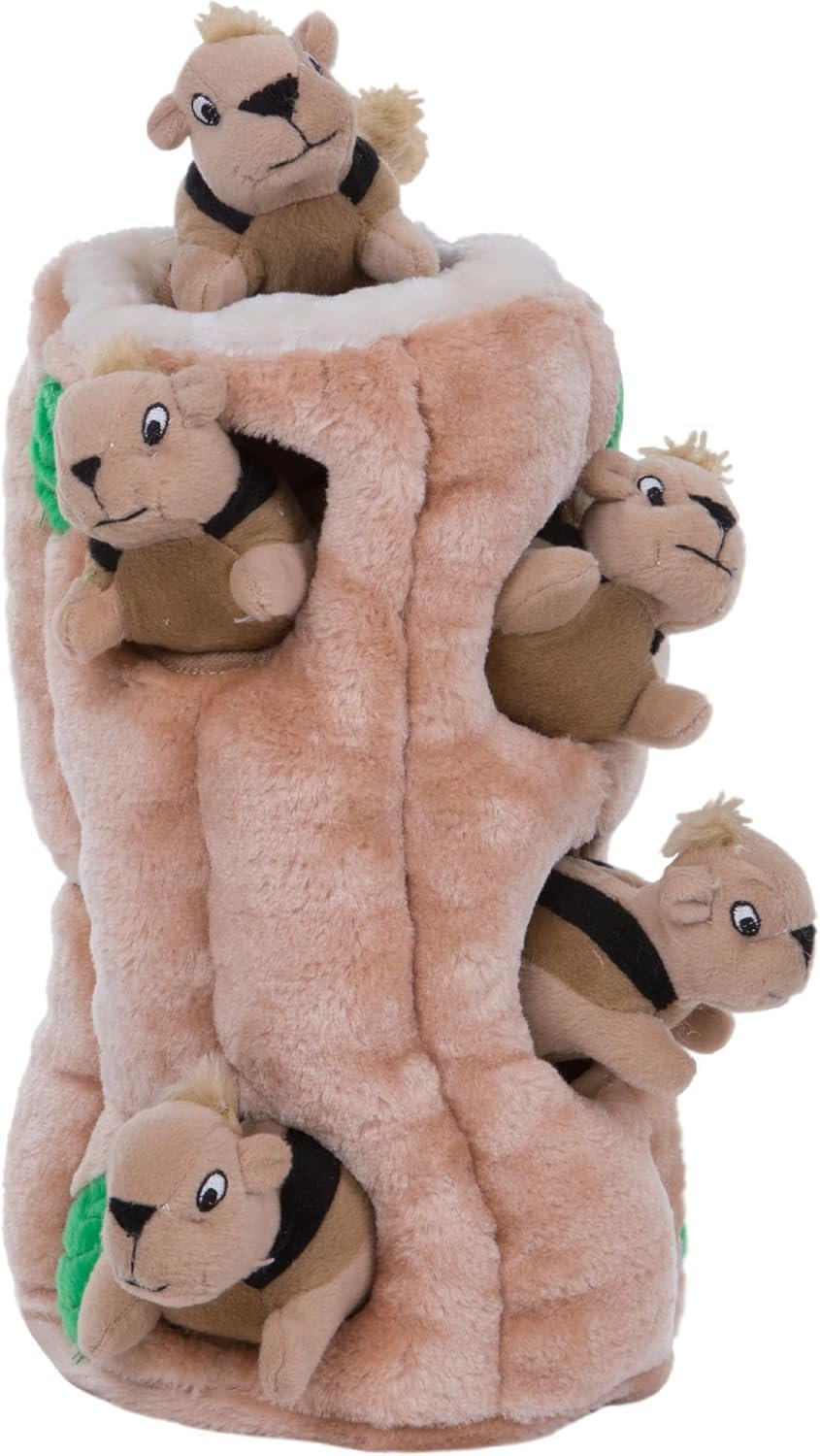
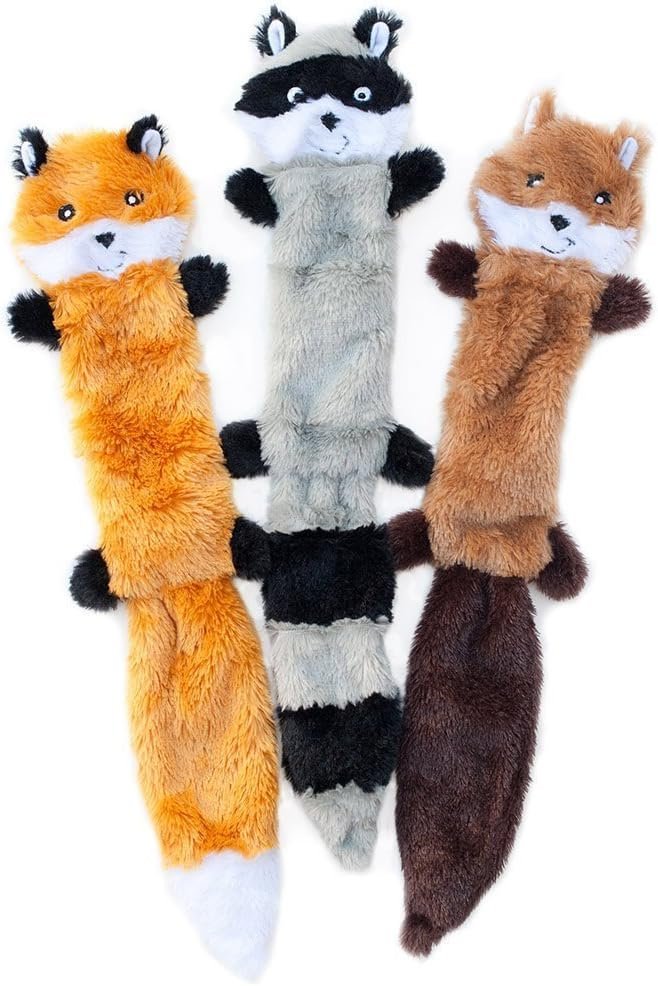
Puppies explore the world through their mouths, so providing a variety of textures helps support development while preventing destructive behaviors.
Recommended variety:
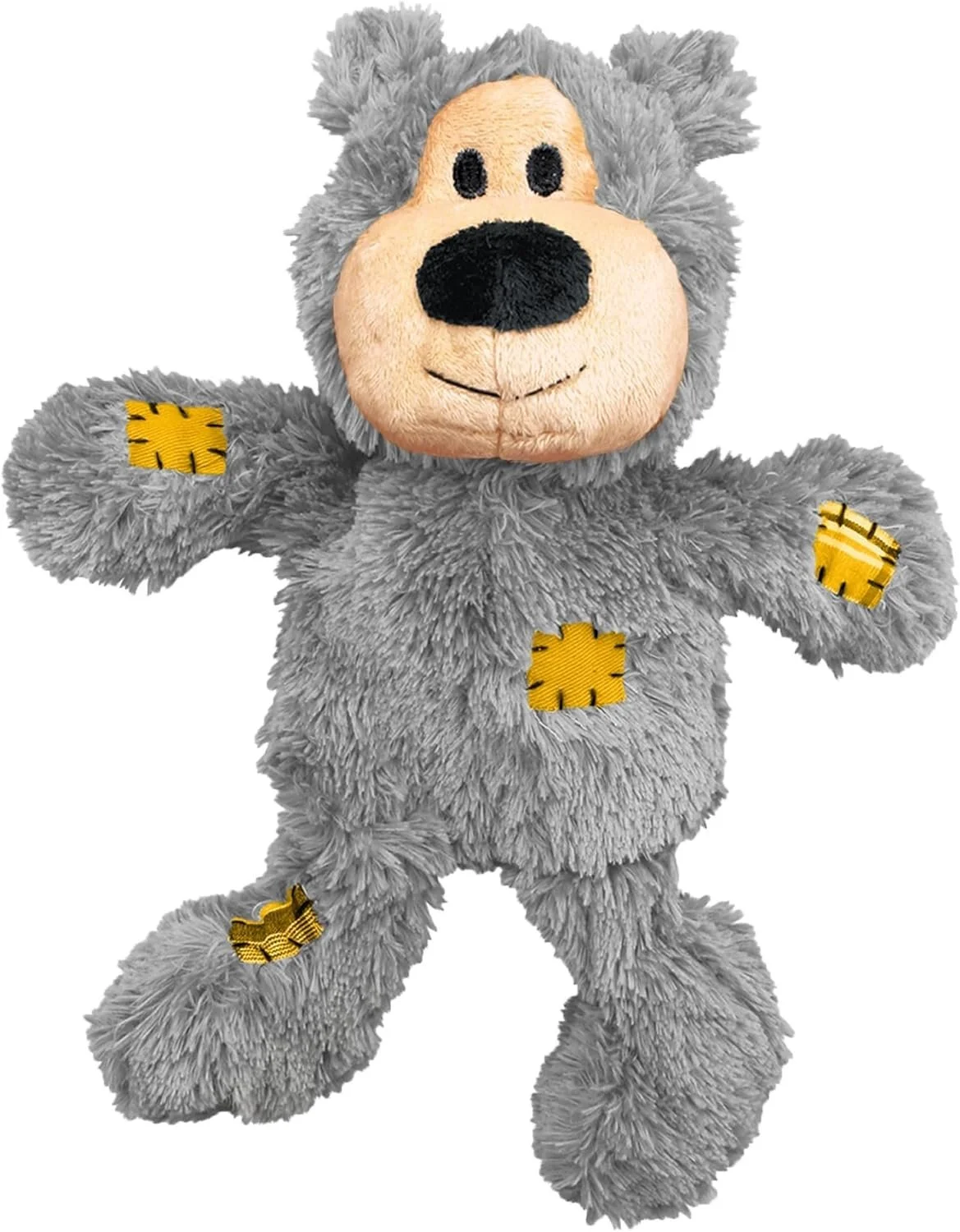
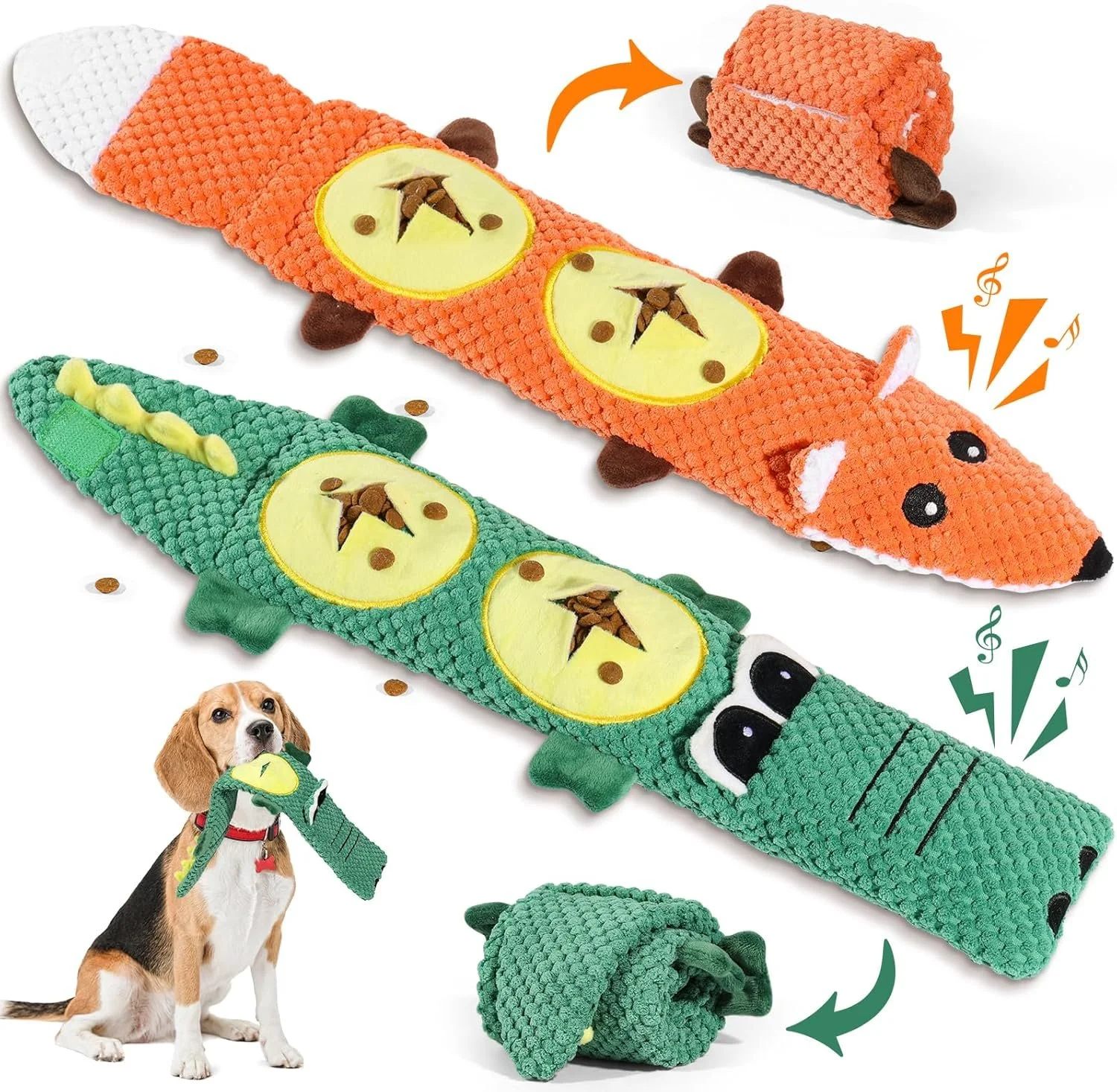
Plush toys
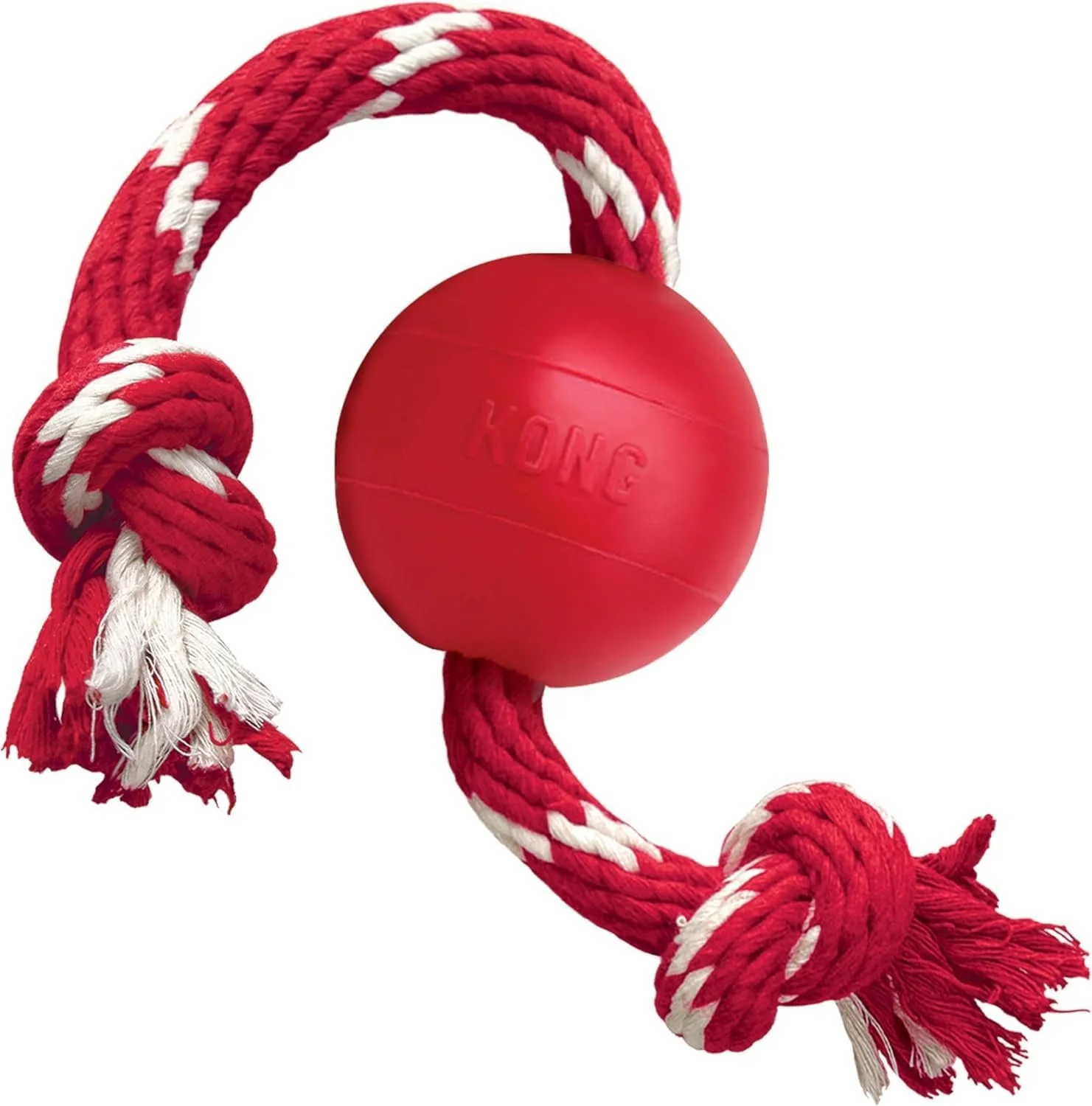
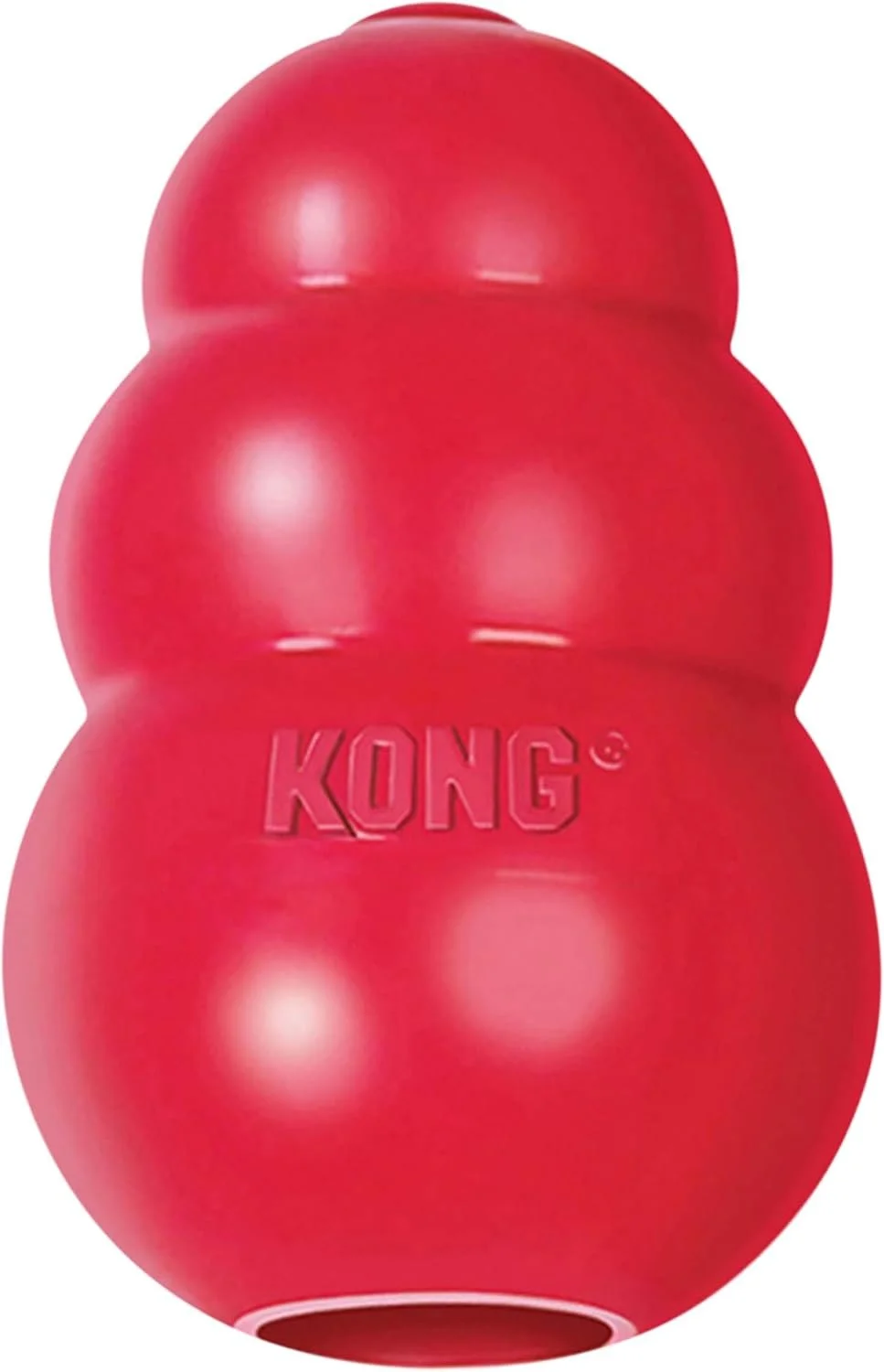
Durable rubber (Kongs)
Rope toys
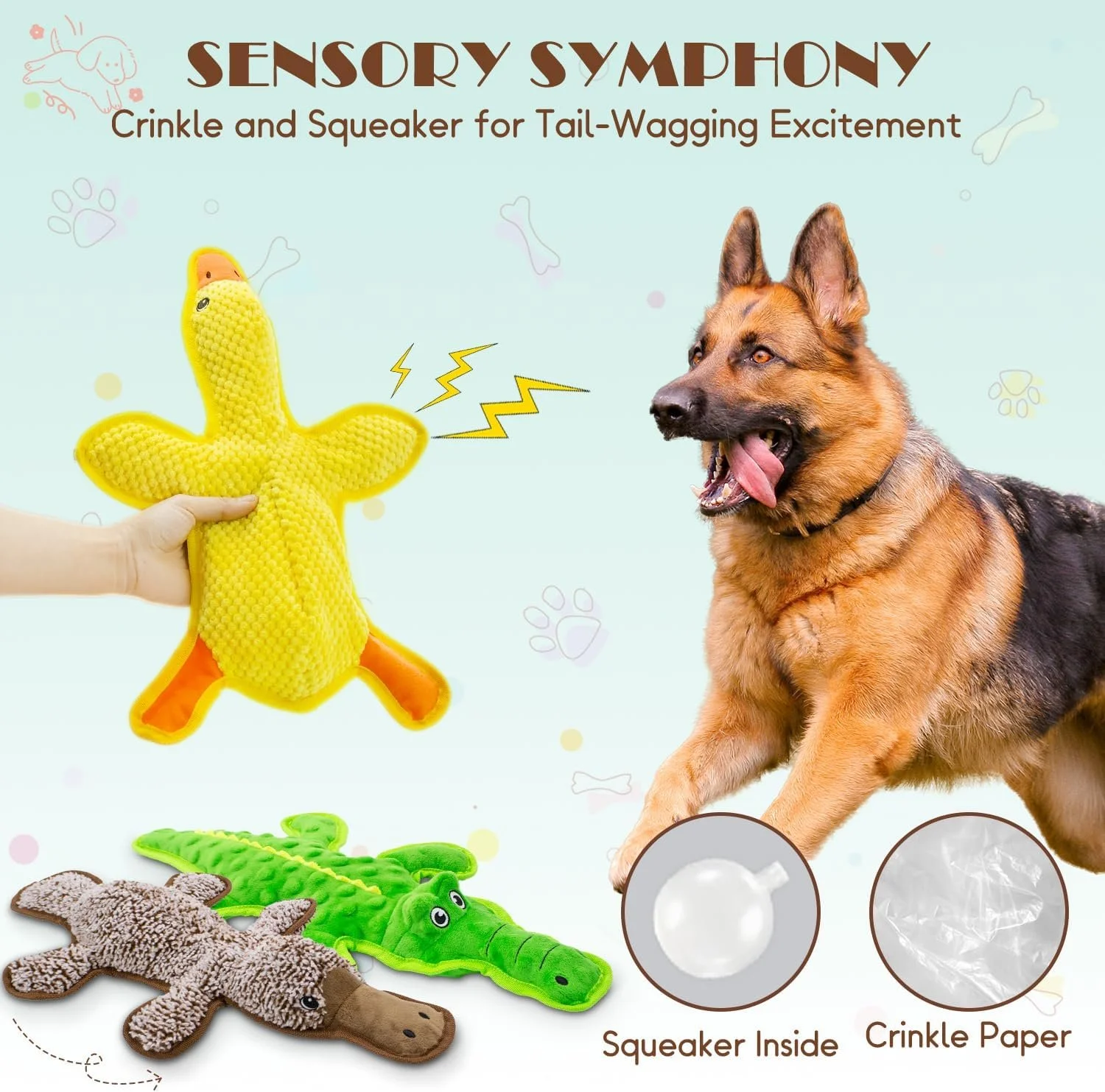
Crinkle toys
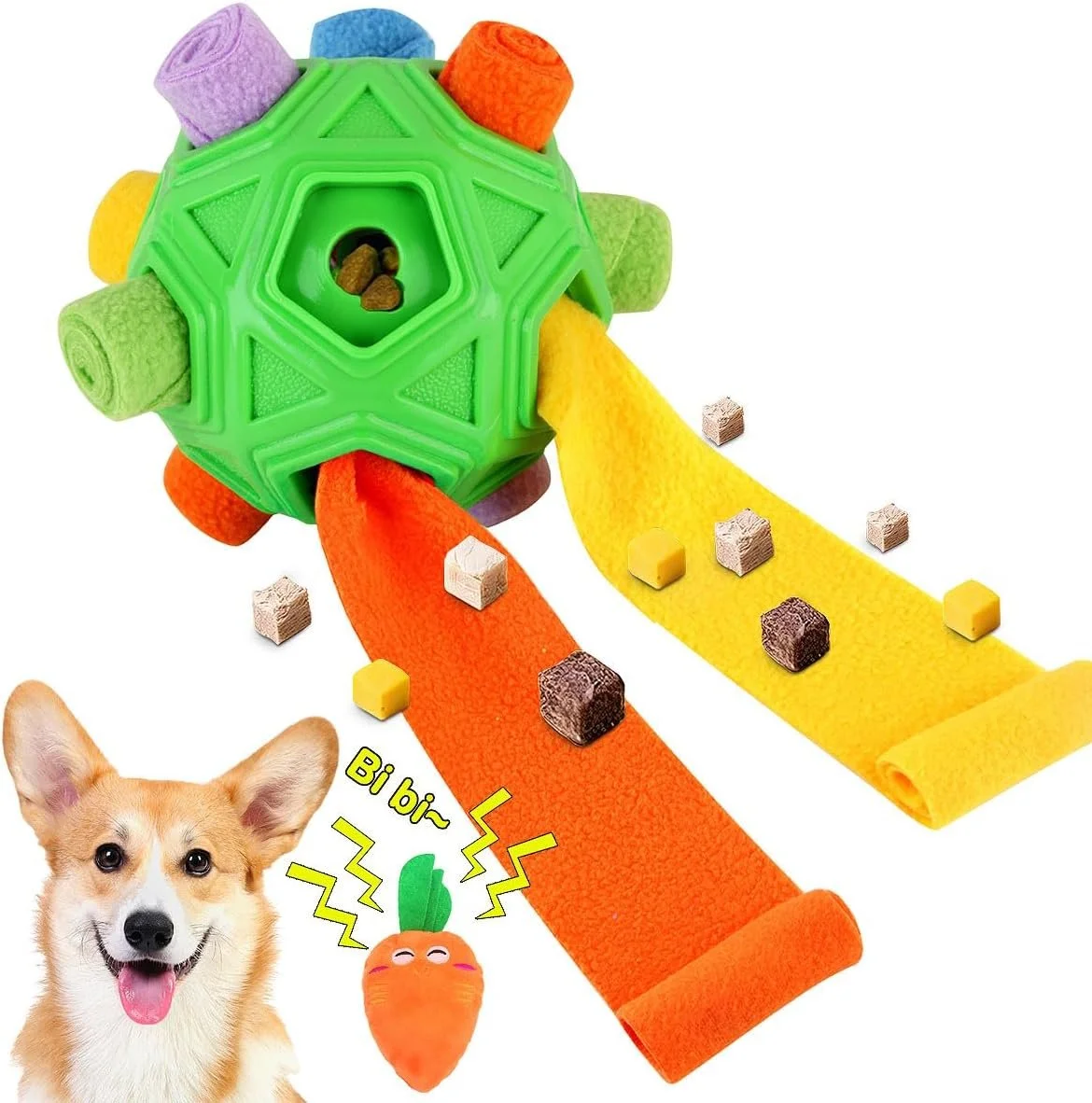
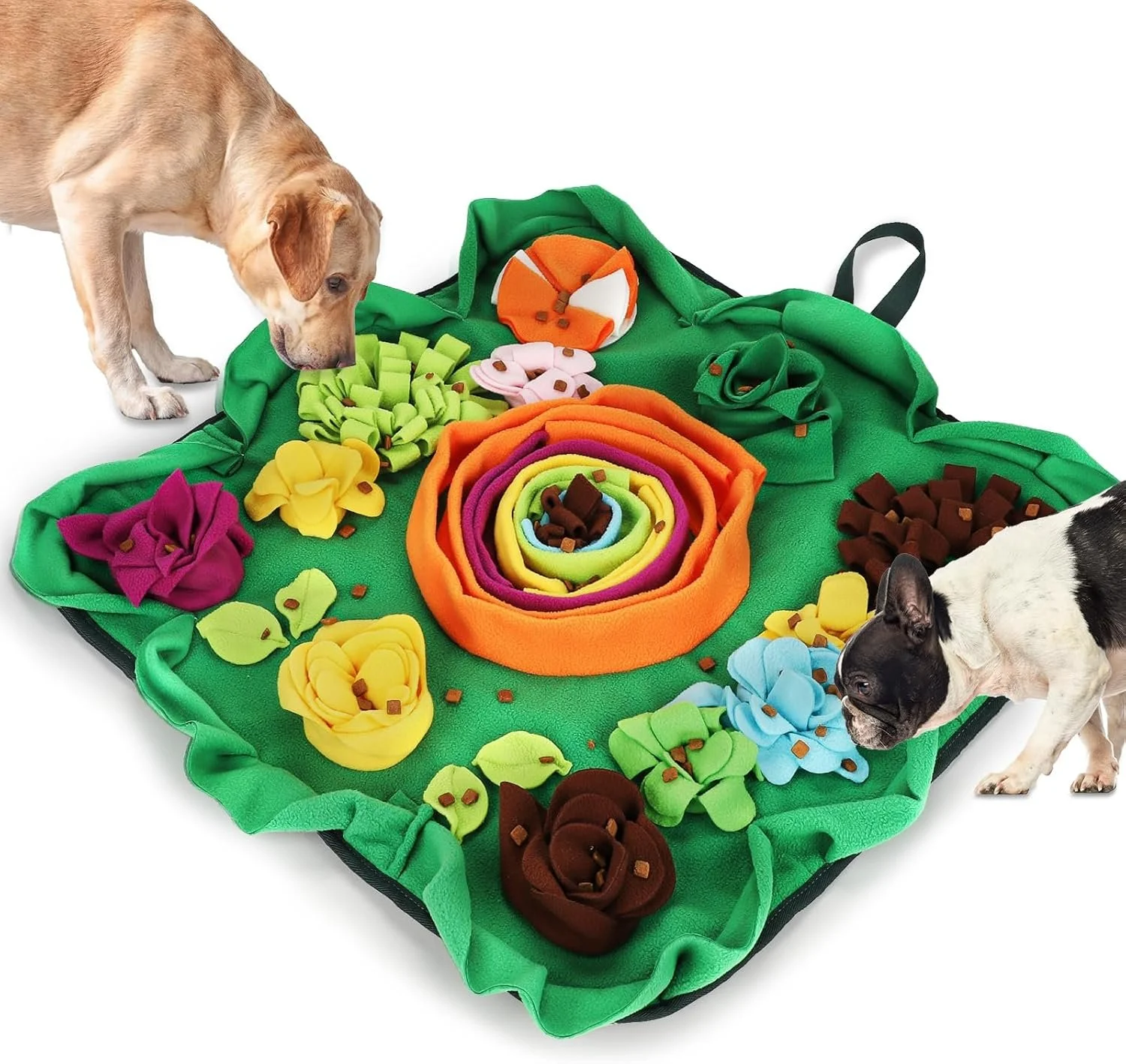
Enrichment tools:
Puzzle feeders
Snuffle mats
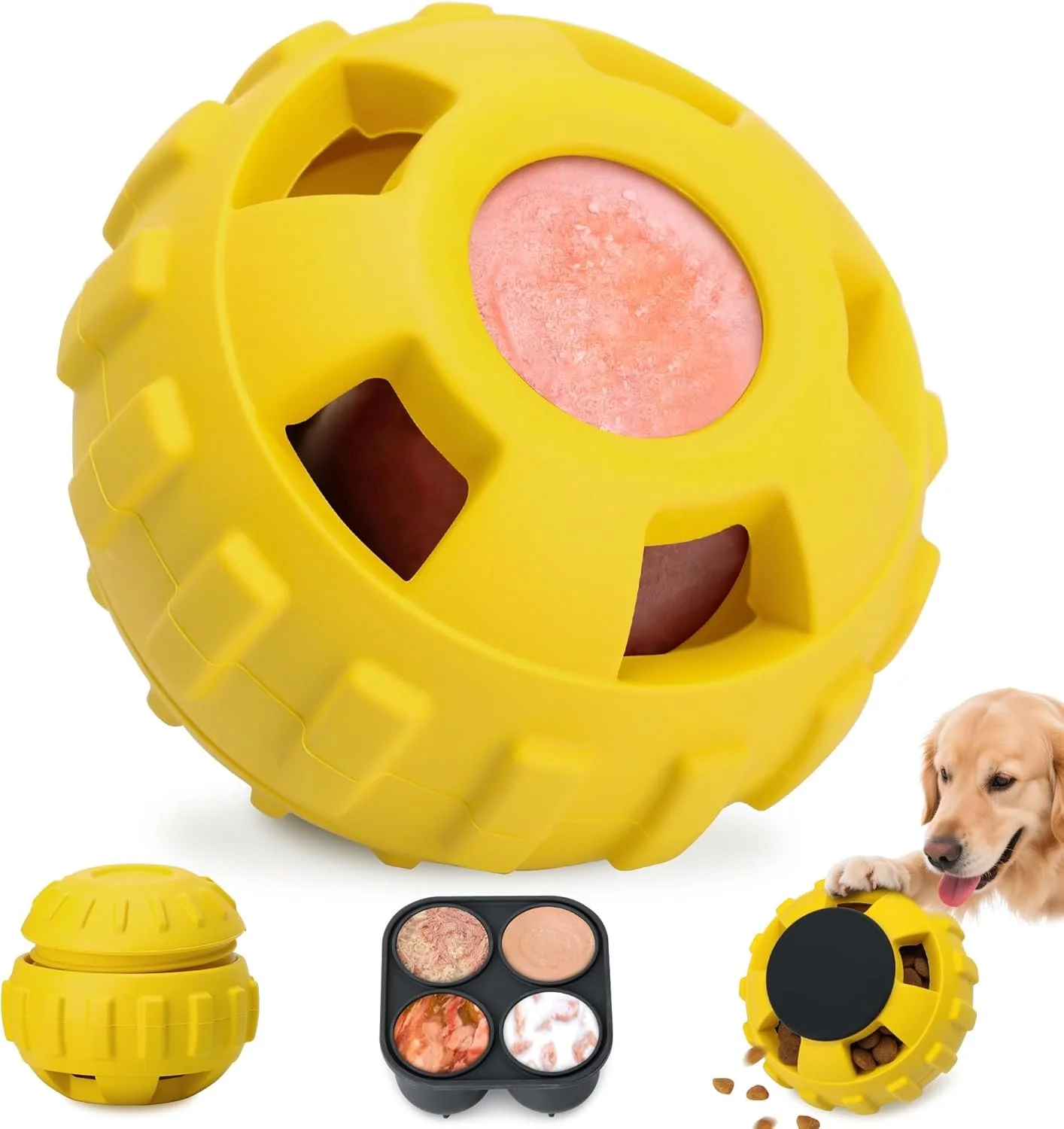
Treat-dispensing toys
These tools:
Build confidence
Reduce anxiety
Encourage problem-solving
Kongs are especially valuable and can be filled with:
Kibble
Wet food
Plain yogurt
Pumpkin
Banana
Peanut butter (xylitol-free only)
Freezing filled toys can:
Extend engagement
Soothe teething
Encourage calm behavior

A Thoughtful Start
You do not need everything at once.
Start with the essentials, focus on consistency, and build from there.
If you ever have questions about what to use—or what to avoid—we are always here to guide you.
Because raising a well-balanced dog is not about having the most products… it is about using the right ones, with intention.